Below the Surface, part 2
Posted on 2026-09-14 23:13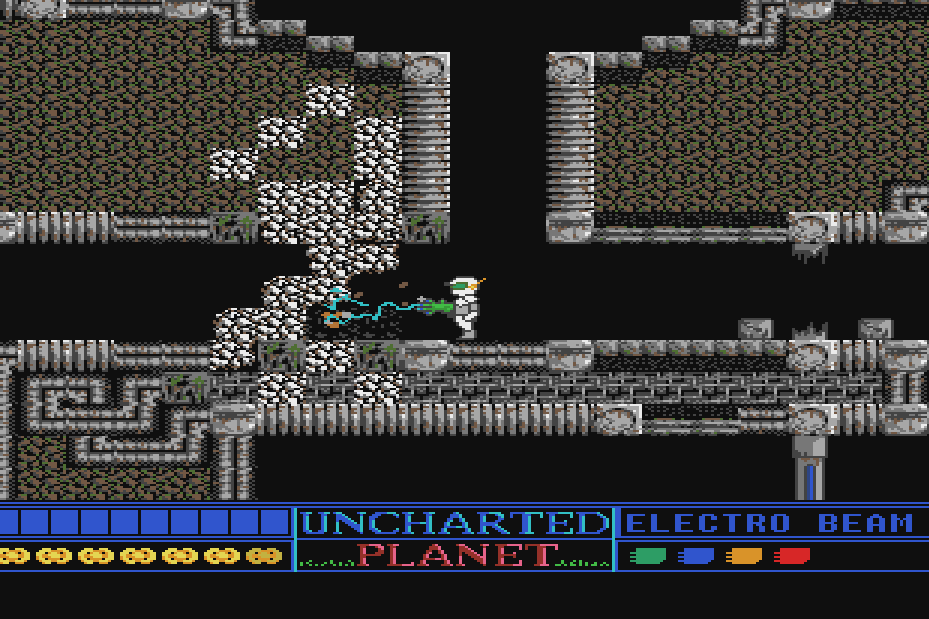
Here's the first part
At the end of the previous part I mentioned another unfinished game inspired by Niklas Jansson's redesign of Exile for the BBC Micro; I suppose now's as good a time as any to discuss that a bit. It's best to read the first part for context about Niklas Jansson, the Android Arts website, and the game Exile.
In 2010, probably after I had already fully given up on Below the Surface, I felt a renewed interest in making a game inspired by Exile. I can't remember anymore where the spark to do this came from or what the exact process of getting started with the project was, but this time I wanted to make something more directly reminiscent of the original, instead of trying to create a more standard metroidvaniay affair.
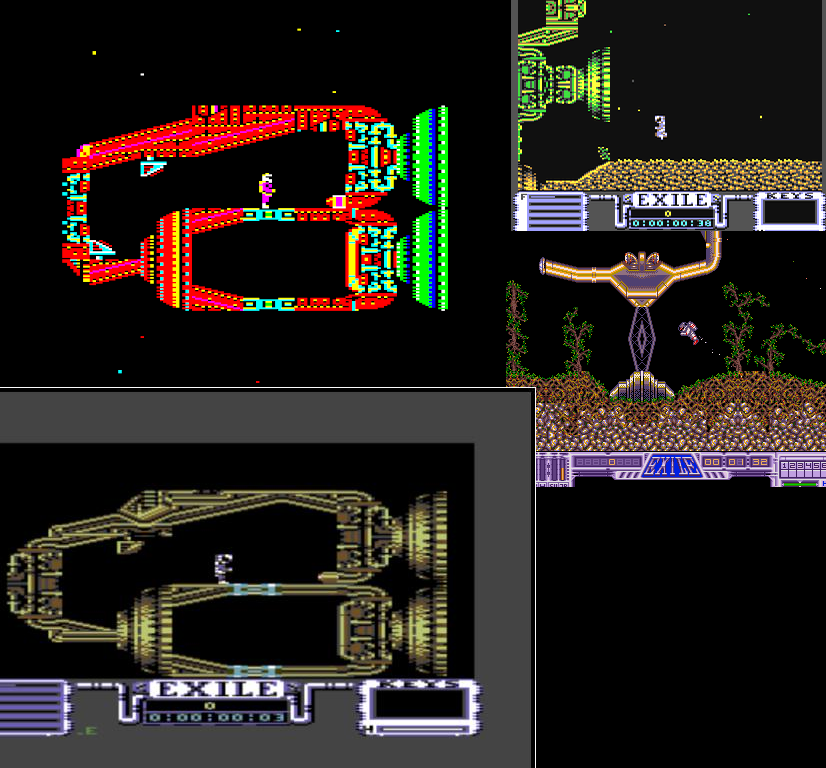
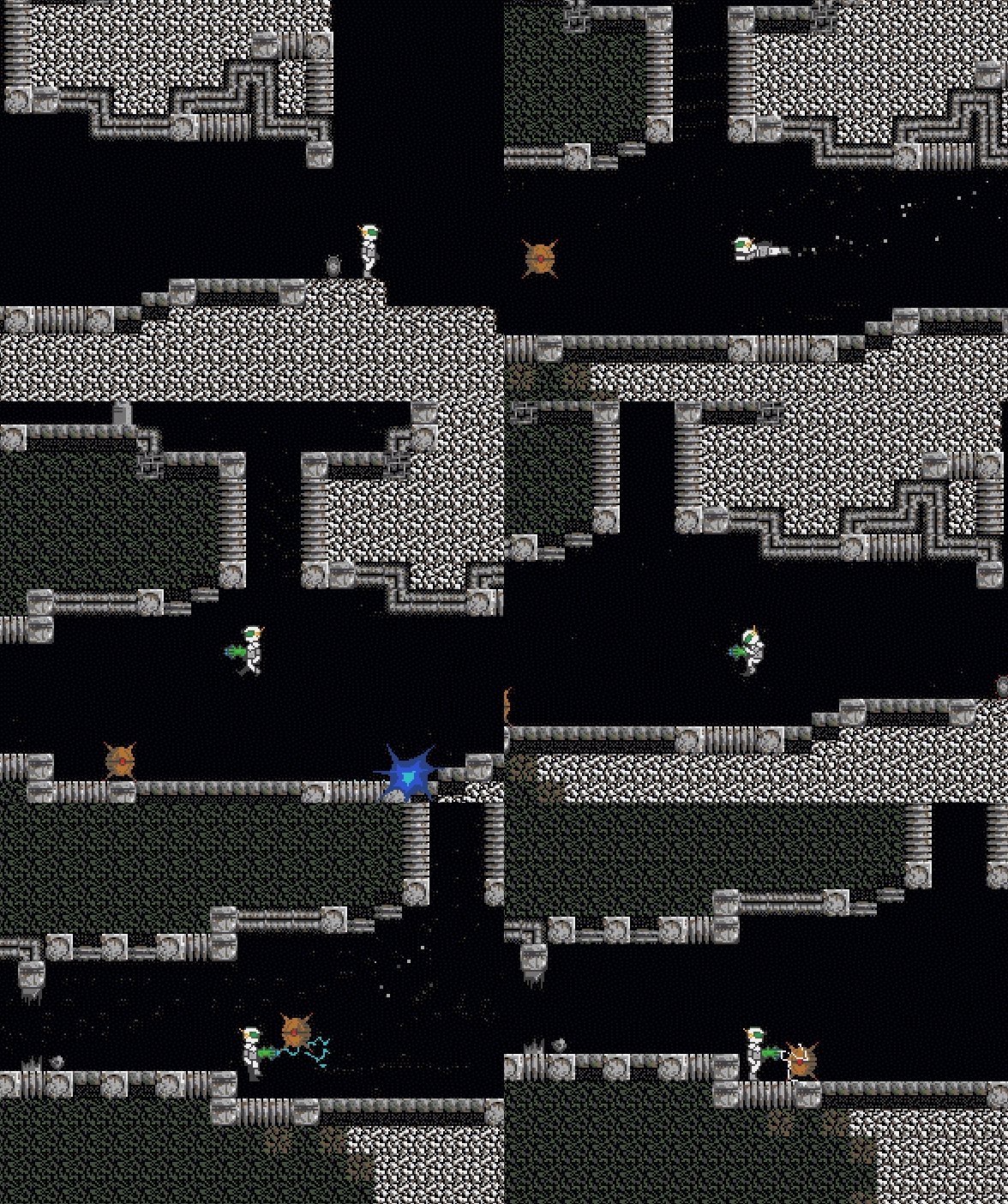
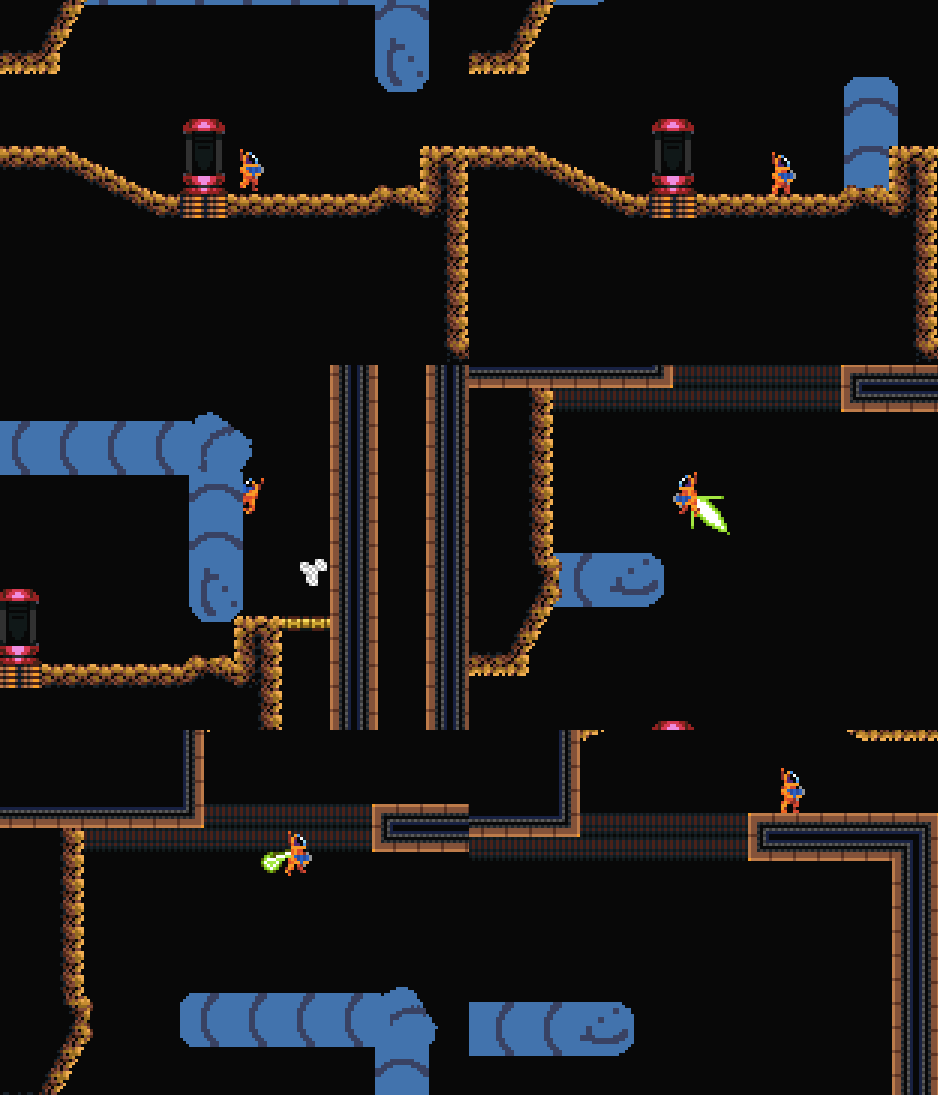
A reference picture I had in the folder of this project, lifted either from Jansson's writeup of Exile or from the Acorn Arcade Exile Tribute website (links in the previous part.) Top left: BBC Micro, top right & bottom left: Commodore 64, bottom right: Amiga(?) I'm especially fond of the C64 visuals
Key points of interest were:
- The game world being more open, with progression being more about discovery than gathering powerups (but with the basic shape of the map still being the same)
- An emphasis on neutral wildlife, with the player having a camera/scanner for cataloguing the creatures they find
- More emergent interaction with items & creatures and other entities; neutral critters could turn hostile against you, enemies could be baited to help you, items would be affected by explosions and so on
- Mostly freely destructible terrain (with indestructible metal walls preventing too much chaos)
- Interaction with machinery via terminal windows for atmosphere
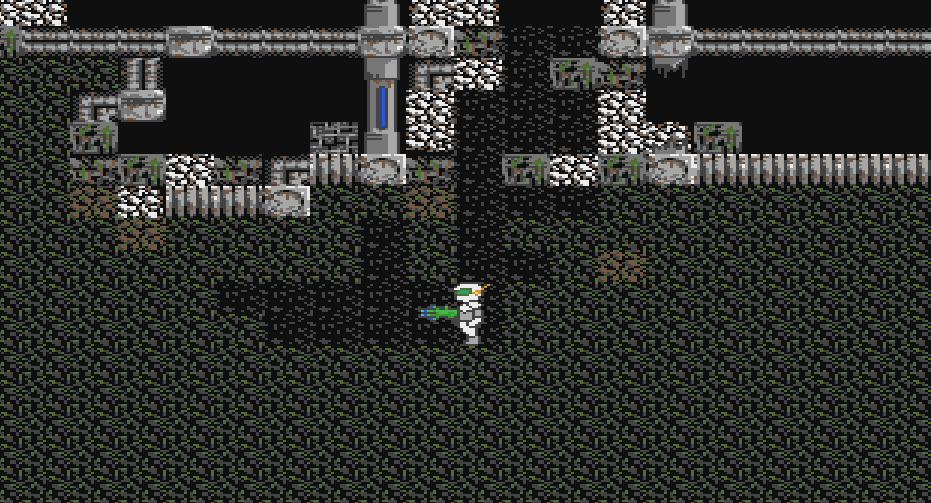
It seems that I decided that this game would be called Uncharted Planet. As you can see, despite it being only a year later my plans were even more ambitious than with BtS. The open-endedness is a big giveaway that I was planning to make something more similar to the original Exile, but there were a bunch of details that made this even clearer:
- I chose a visual style more reminiscent of old retro games - I even made a custom limited palette, which might've been a first for me!

I think this was based on a C64-inspired palette by Niklas Jansson
- I gave the player character the ability to fly indefinitely, and even made the flight look visually similar to what I had seen in Exile (while trying to make the actual process of flying more breezy than what I thought it was like in Exile)
- I moved the emphasis with regards to enemies away from wildlife and towards robotic entities. The aforementioned increased emergent interaction was also fairly direct inspiration - Exile had a bunch of puzzles where the player was meant to use the behaviour of the enemy robots they found to help the solve puzzles and so on
- Some of the player abilities were more alike to the ones in Exile. Instead of a Metroidvania-like system where the player's main tool of interaction is a weapon and the powerups they get are largely mobility-related, I made the player able to pick up and throw items and then have a set of utility tools on the side, only one of which was a gun (and a weak one at that; it was even named 'stun gun'.) Especially notable was a tool that let the player store their current position and later jump to the stored location. A variation of this exact same thing appeared in Below the Surface, but here it was even more directly like the version Exile had (if I remember/understood correctly.)
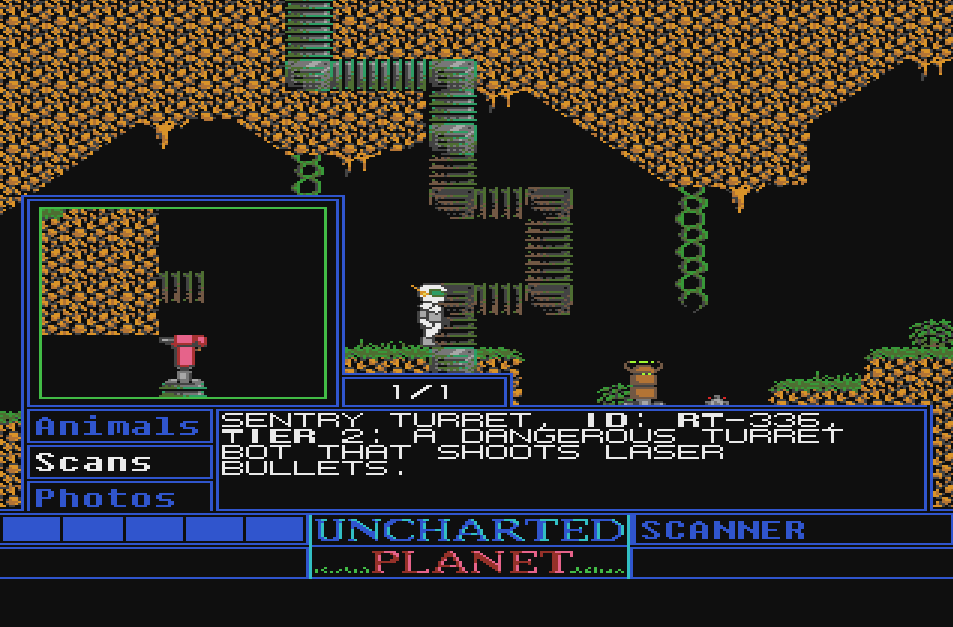
In a way these comparisons are me dunking on past-me's design sensibilities - even though I (think I) had moved past directly copying neat things I saw, I was clearly still struggling with using the inspiration I had to make something that wasn't extremely reminiscent of the source of inspiration. The most major more original ideas were the concept of taking photos of things to catalogue them and the computer terminals used for interacting with machinery. The former system was also used for reading lore text scattered about, which is kinda cool in hindsight, and the latter added a lot of flavour to the game world even though it was fairly rudimentary (and a huge pain to program due to my limited toolset at the time!)
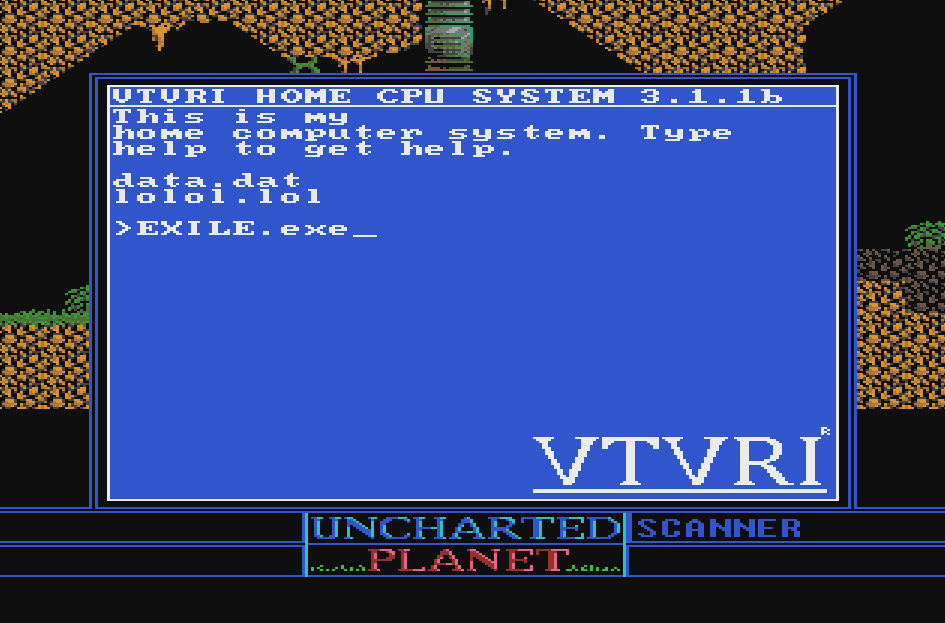
Writing this, it's fun to see how a bunch of the concepts here lived on to appear in my later games. Both the terminals and the bestiary concepts have appeared in ESA 2's iterations, and Planet Keke features the whole "take a picture of a thing to fill out your catalogue" system I had going here! The limited colour palette was also an obvious precursor for the visuals in ESA 1 and then later in Baba Is You. Both the robots and the emergent interaction elements have been on my mind since, but I've yet to revisit those concepts (I think?)
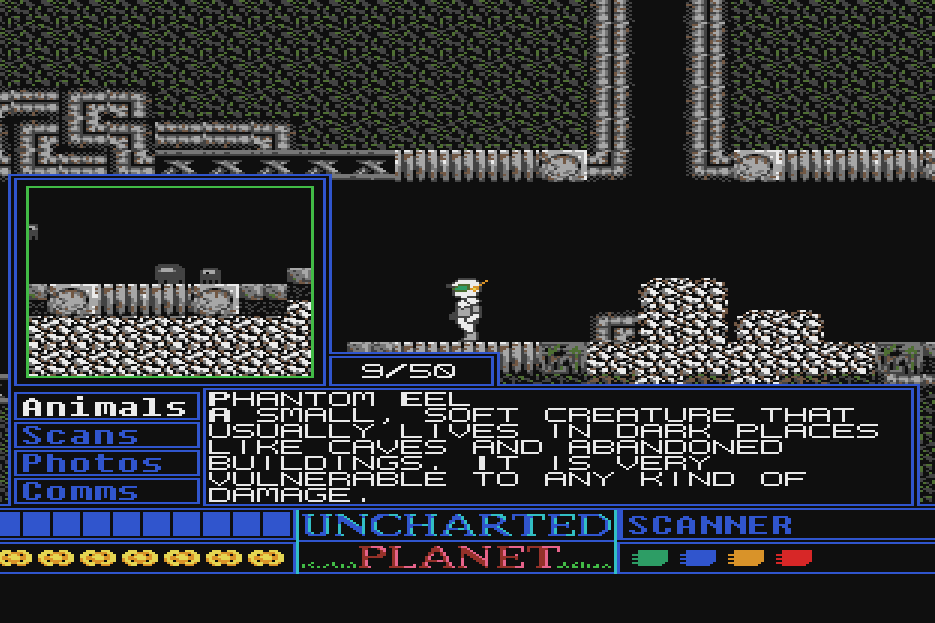
I was initially extremely excited about Uncharted Planet, possibly even more so than BtS. The basic gameplay felt more fun, the visuals were nicer in my eyes and the game felt more interesting due to the more organic structure and more varied interaction. The concept was also potentially more open for feature creep, which added to the excitement because I could make larger-than-life plans for the game (although to my credit I think my plans were mostly relatively grounded!)
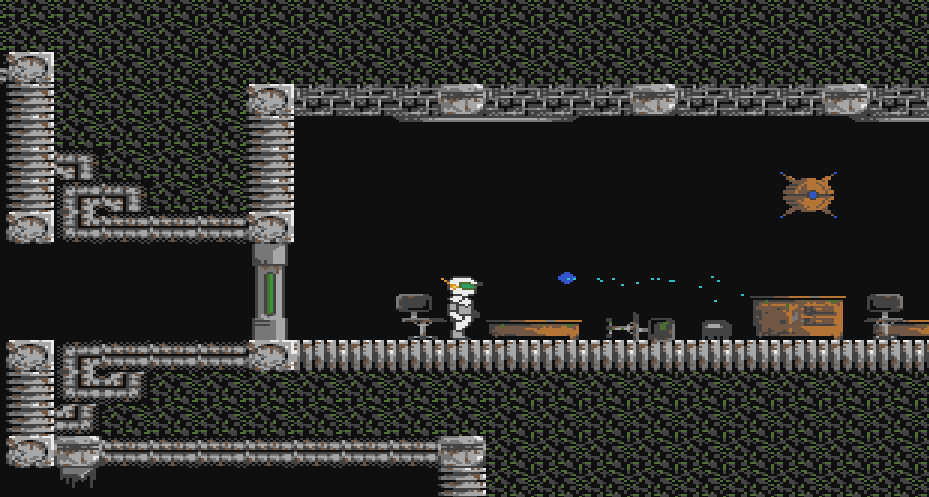
You'll note that I reused the robot sprite here for the first boss of ESA 1!
I don't remember how long it took for me to run out of steam, but as I went on a multitude of problems arose, causing me to ultimately give up on the whole thing. Some of the issues were also there in BtS, while others were unique to this one:
- The game still happened entirely in one large scene, and the need to worry about performance as I added more objects was unpleasant, especially because the desire to make the enemies & other entities more dynamic made them also potentially have more memory overhead.
- I hadn't really planned the game balance before delving in, and a bunch of the design just plain didn't work out as nicely as it had on paper. To give an example, my plan was that the player would have energy as a limited resource that their tools would use up, with more being available in the form of battery cells from destroyed robots. I think the idea was that the batteries would be a limited resource, just like bombs had been in Exile, and this presented a big balancing issue - if it's possible to entirely run out of energy, how long should a single battery last? Even if there was a way to get infinite batteries, how easy should it be to have more? It didn't feel very good to have to worry about resource management like this, although admittedly I didn't get far enough for this to become more than an upcoming problem that gnawed at my motivation. I think part of this particular issue was also my unhappiness with the idea that the player would be able to get permanently stuck, even if that was something Jansson explicitly indicated as desirable in the Exile redesign document.
- The game concept was too ambitious. I had fun making the first couple critters to photograph and a bunch of robots to fight, but I think the plan was to have something like 30 50 different animals to find (I checked my old notes and the intended count was even higher than I remembered), and if all them had to be equally dynamic and interesting, the workload would've been massive.
- Despite my efforts, the gameplay was becoming fairly clunky and complicated. The flying felt good, but item manipulation was a chore because you could carry only one item at a time and there was a whole separate set of buttons for the tools you had (which existed separately from items in your hands.) The only actually effective weapons you could find were in the form of items, and juggling e.g. a bomb and a gun for when you might need them would've felt terrible.
- I never even attempted to program in saving & loading, and with destructible terrain and the general open-endedness, tracking everything correctly would've been a huge task, potentially well beyond my skills at the time.
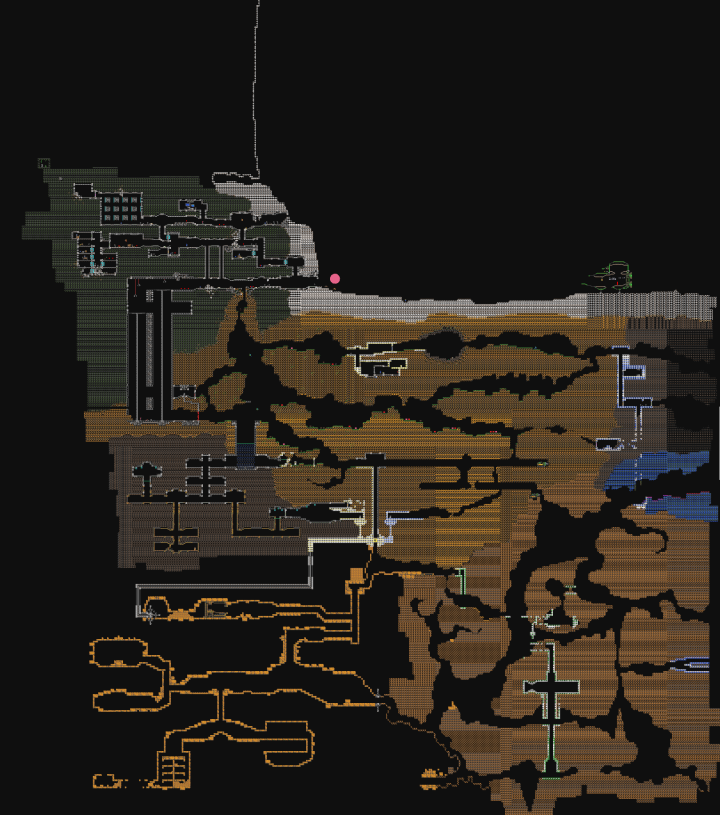
The map as it was when I stopped working on UP. I was (and am) really happy with how organic the caves look!
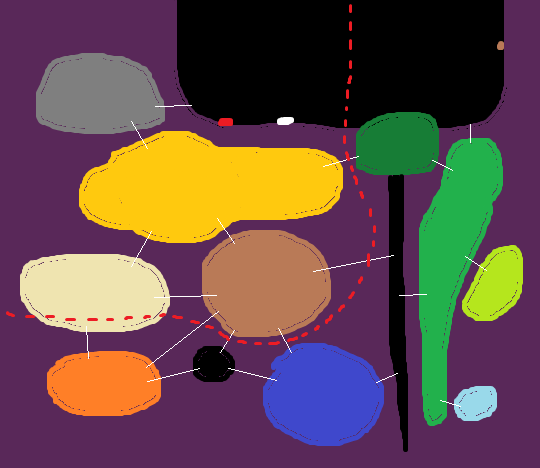
What my plan for the full map was, with the red line indicating my progress. That's more than I recalled, although even the areas within the boundary were hardly finished.
Even though I ended up abandoning Uncharted Planet, the excitement I had for it stuck in my mind quite hard, and as such I still think of the project very fondly and have an interest in revisiting it some day. The open-endedness, more dynamic interaction and other elements distancing the concept from the standard metroidvania fare are probably large reasons why this is the case; UP felt more 'unique' to me, even if a lot of the elements that made it feel so were lifted directly or nearly so from Exile and Jansson's redesign document. I think that by now I'd be able to reimagine the concept in a form that keeps the things that originally inspired me while making the end result feel more like its own thing rather than my take on someone else's game with the license numbers filed off.
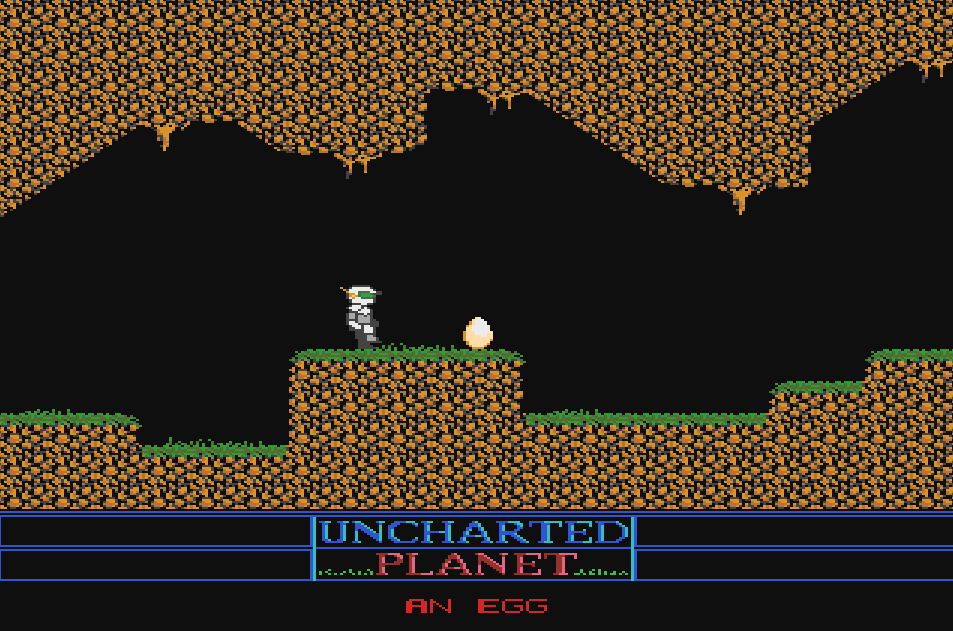
As I mentioned in the first part, Environmental Station Alpha 2 was initially meant to be based quite directly on the Below the Surface & Uncharted Planet design. It's hard to recall anymore, but I think the plan was to make the gameplay work as a seamless-world metroidvania thing a lá BtS but with some bits and pieces (such as the dynamic robot enemies) taken from UP. I switched from this to a more standard metroidvania concept very quickly (and then later changed the plan for the game map from Below the Surface's Exile-inspired planet-surface design to one I had intended for another unfinished metroidvania project (which also featured a brain-in-a-jar robot, funnily enough). It's fun how these pieces of DNA follow you around and shuffle themselves into different projects over time.
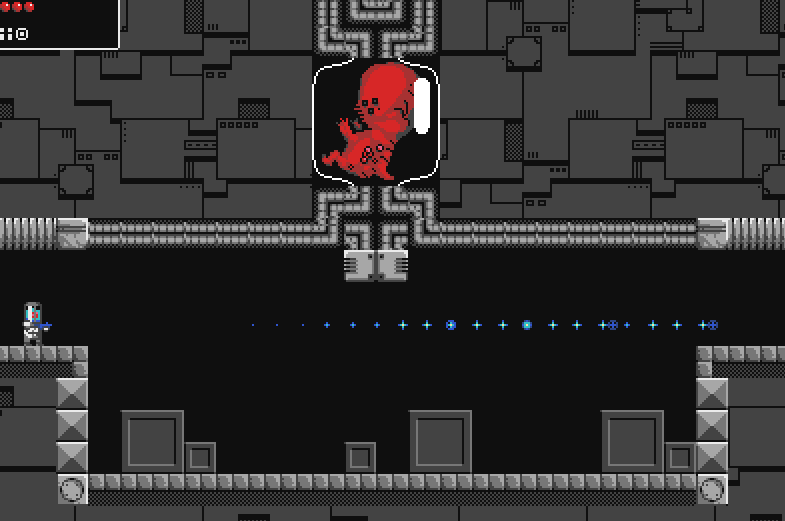
Yet another unfinished metroidvania, this time the one that lent its map layout to ESA 2, as mentioned above
To cap this writeup, here are some GIF animations I recorded back in 2010 when working on Uncharted Planet. Pardon the artifacts and blurriness, I was still figuring out how to do this.
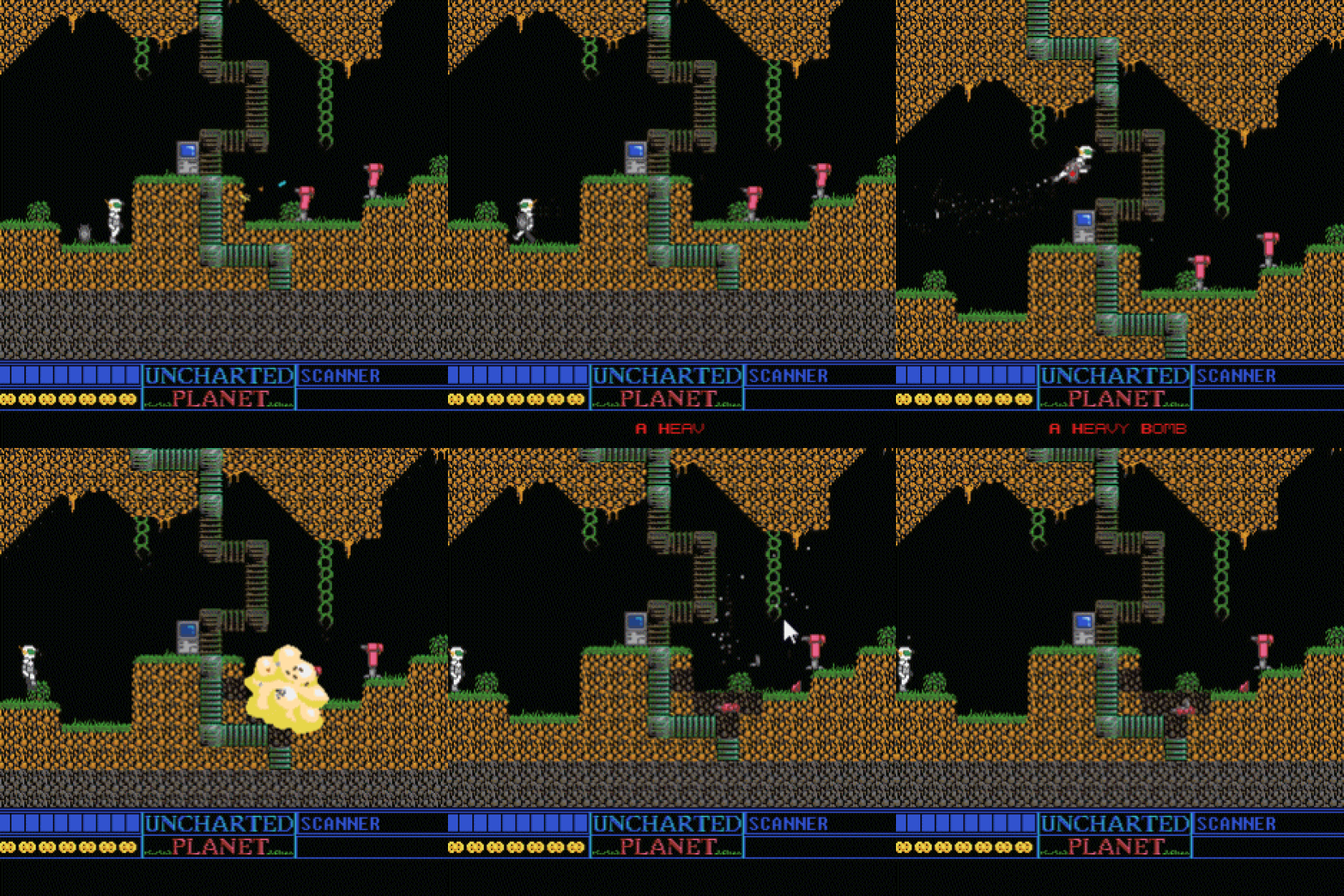
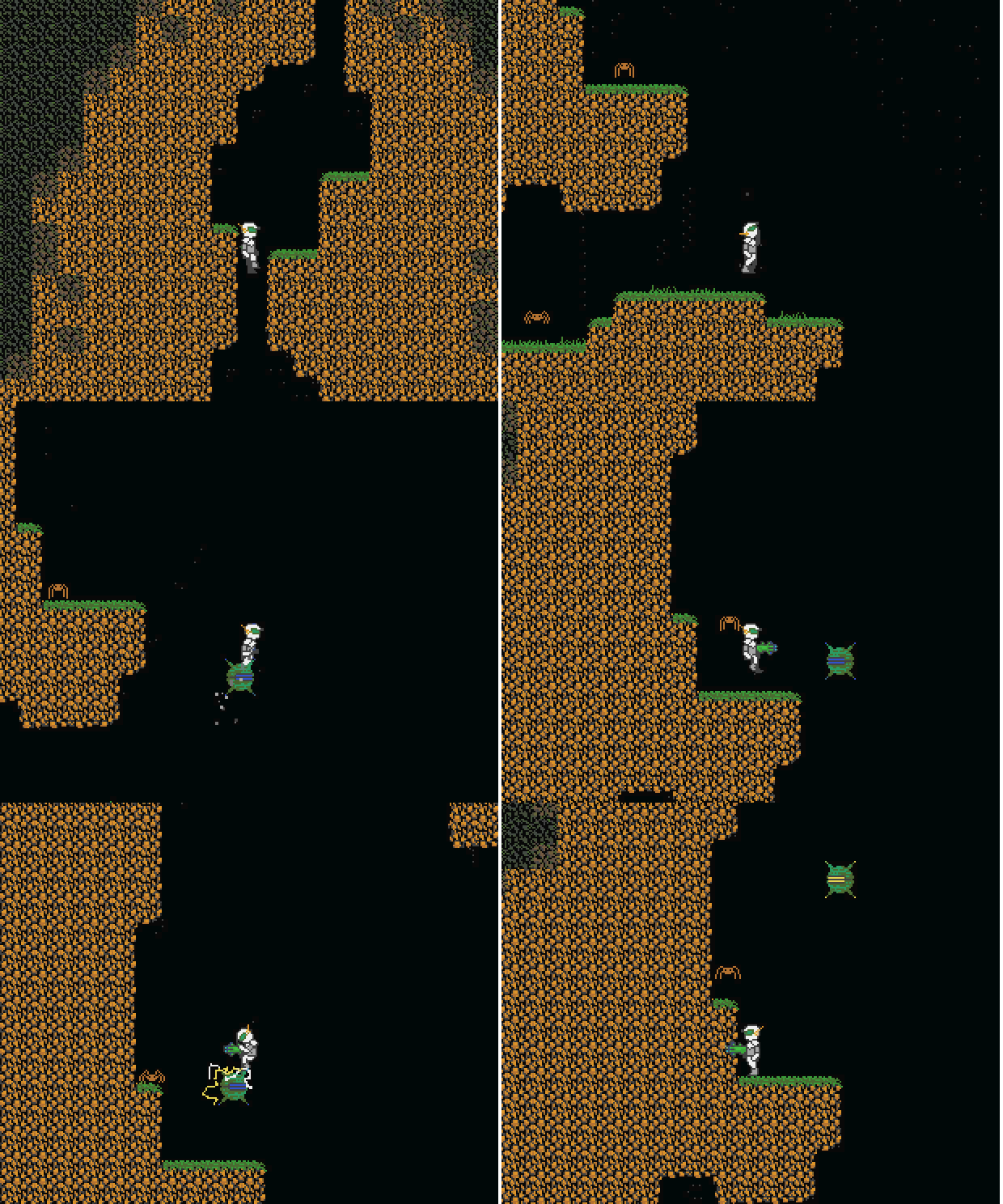
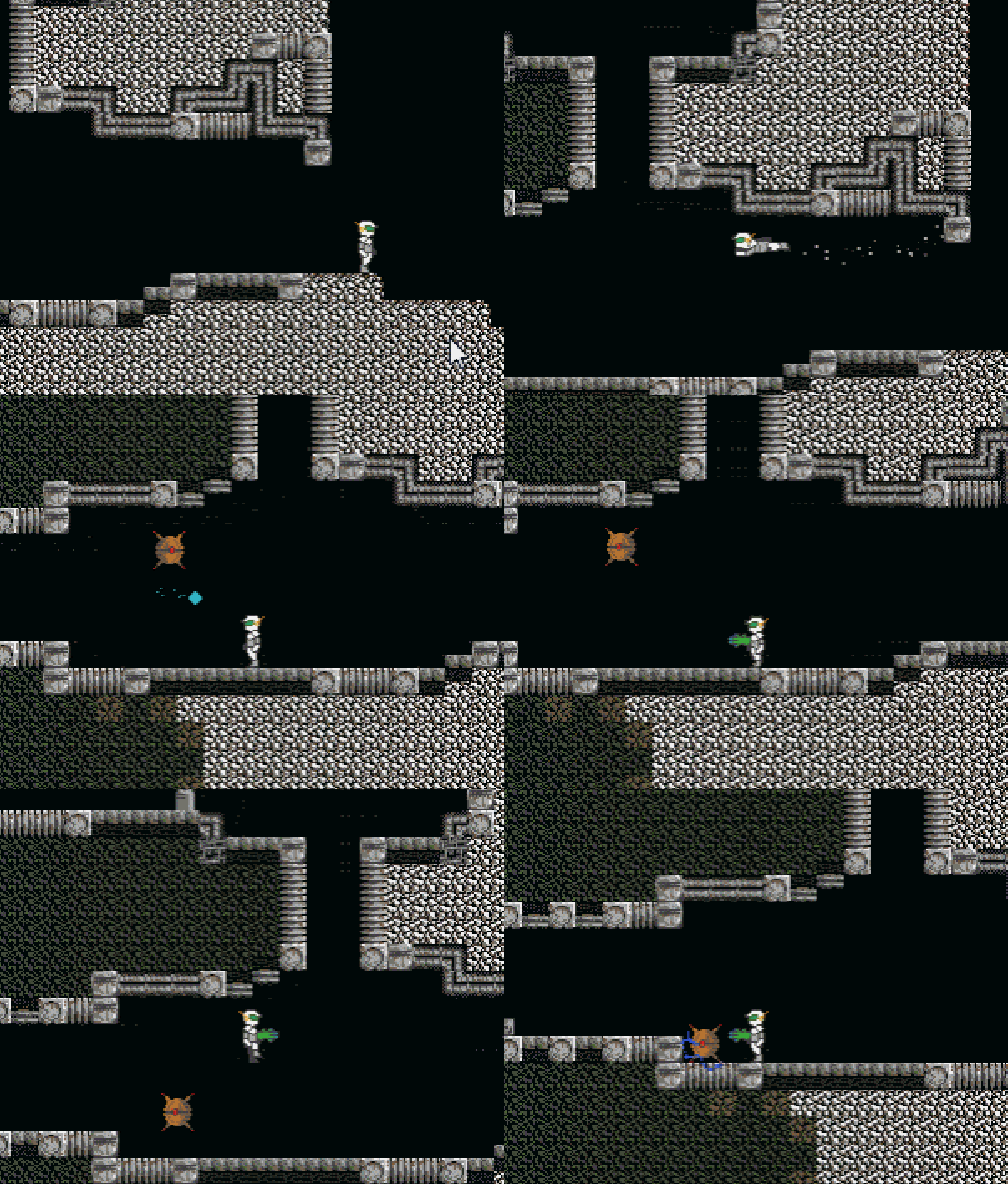
Also, here are some doodles related to this project from my notebooks (all the notes are in Finnish so I only picked some of the more visual examples):
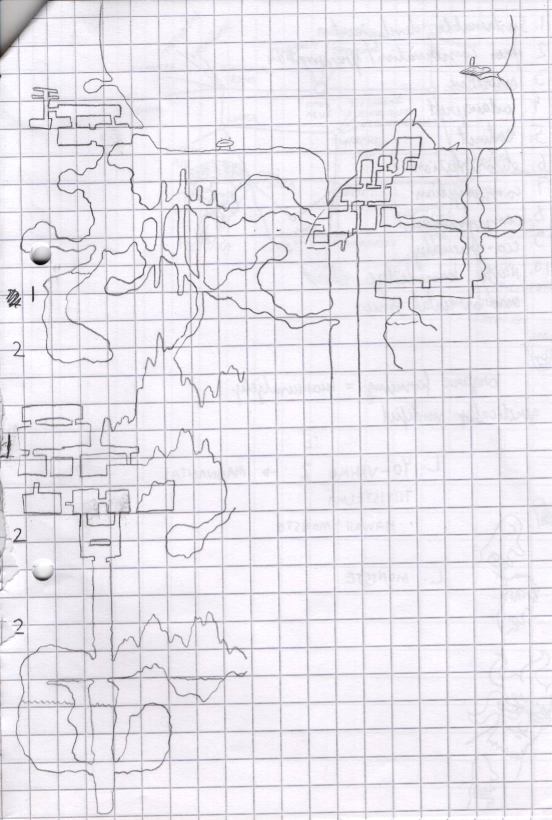
An attempt at drafting the world map on paper. I was clearly unhappy with how it looked. Notice the silhouette of a crashlanded spaceship on top of what would be the Abyss!
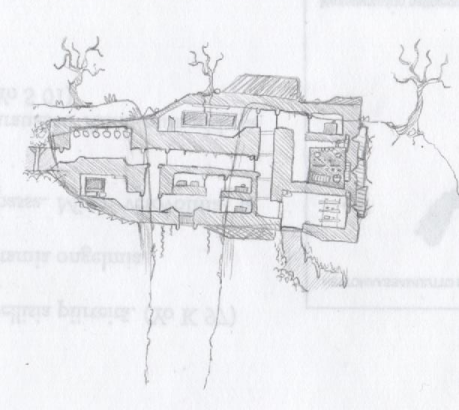
A more detailed mockup of the spaceship mentioned above. In my notes this place was named 'wrecked ship' because of course it was
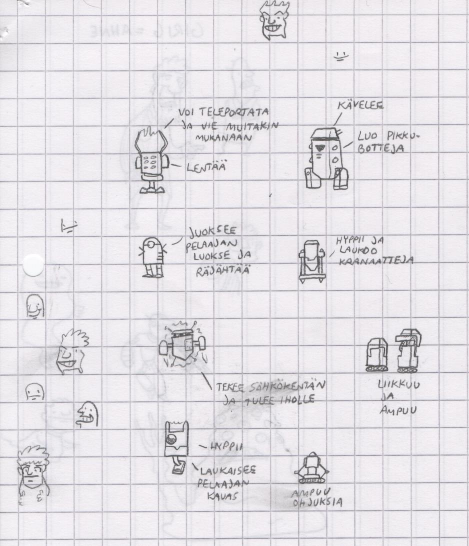
Ideas and mockups for a bunch of robots
 15
15  11
11  23
23
Tags: Article, Other, ESA, ESA 2, Old games, Games, Art
Below the Surface, part 1
Posted on 2026-09-11 00:15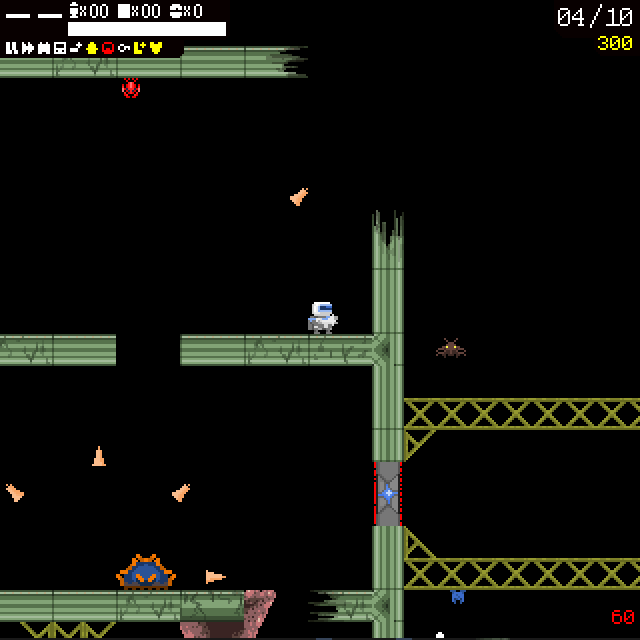
Back in 2009 I had a metroidvania(ish) project called Below the Surface which I never finished but which has affected some ideas and designs of mine all the way up to ESA 2; it popped in my head recently and pondering about it made me feel like it'd be cool to share some of its story. Let's go:
Around 2009 or so I came across a website called Android Arts, the homepage of the game developer Niklas "Arne" Jansson (the site seems to be down as of me writing this). Jansson's special interest, at least with regards to the website, was to use his skills in game design and digital art to create 'redesigns' of various games such as Metroid 1, Rygar, Guardian Legend and Mega Man Legends. This he did by writing articles describing his ideas on how to expand on the concepts/stories of these games, following a generally very maximalist mindset of introducing very large new gameplay elements and detailed new systems. The articles were complete with very pretty artwork, with Jansson e.g. reimagining sprites from the original games in a more high-definition style, and/or inventing entirely new visuals.
(Do note that I can't vouch for the content on the Android Arts website - I never read much of the actual text, just looked at the images, and I've no idea how well the stuff within has aged.)
Several of the redesign documents sparked my inspiration back then - while the maximalistic approach was obviously well beyond the scope of my abilities or sometimes didn't even seem interesting to me, several ideas expressed in Jansson's articles resonated with me. For example, his pixel art for the Metroid 1 redesign directly inspired the art in Environmental Station Alpha.
The biggest point of interest for me ended up being Jansson's article about the game Exile for the BBC Micro, as well has his redesign document for the same. For a bit of context, Exile is a platformer game (although with infinite free flying, afaik) about the player being stranded on an alien planet after their nemesis steals the warp drive from their ship, with the player being tasked to explore the planet to eventually hunt down their nemesis and recover the drive. Exile was a game with some really big ideas and some really impressive tech for its time - the game featured procedurally-generated terrain and liquid, wind & physics simulation, as well as an open-ish world to explore however the player saw fit. As far as I've understood, the actual gameplay was extremely clunky and the game's design ethos was quite unforgiving. I can very easily see how a game like this would've struck a chord in Jansson - Exile featured in itself a similar streak of maximalism that I also saw in many of the articles at Android Arts.
One of the things that struck my brain the hardest was the map draft Jansson had drawn for the redesign. In the original, the map included the planet's surface with some landed spacecraft, and then an underground labyrinth with handcrafted points of interest connected by very simplistic procedurally-generated caverns, and Jansson had taken this base structure and elaborated it into a much more interesting-looking world:
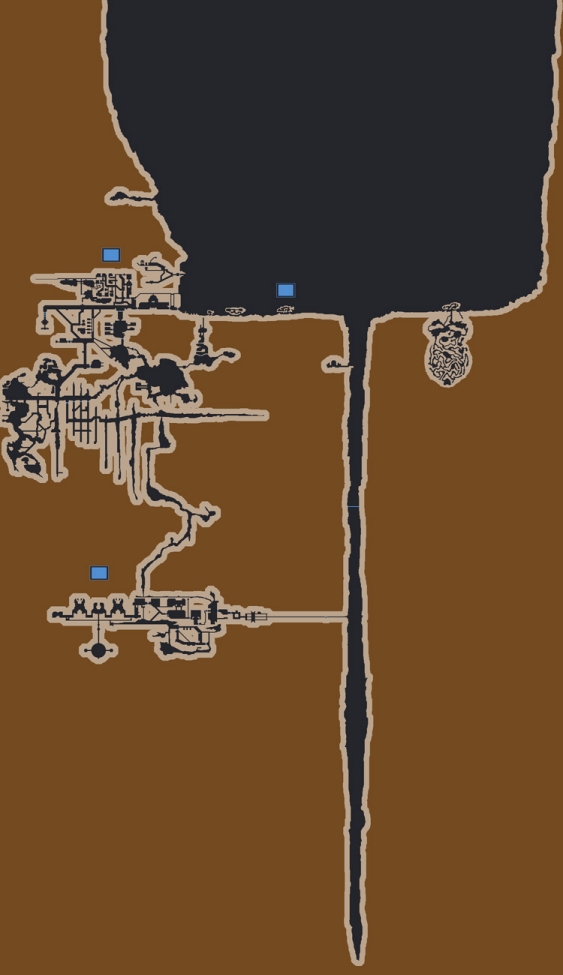
For comparison, here's what one seed of the original's map could've looked like (image compiled from screenshots by Bill Carr) (full-sized version)
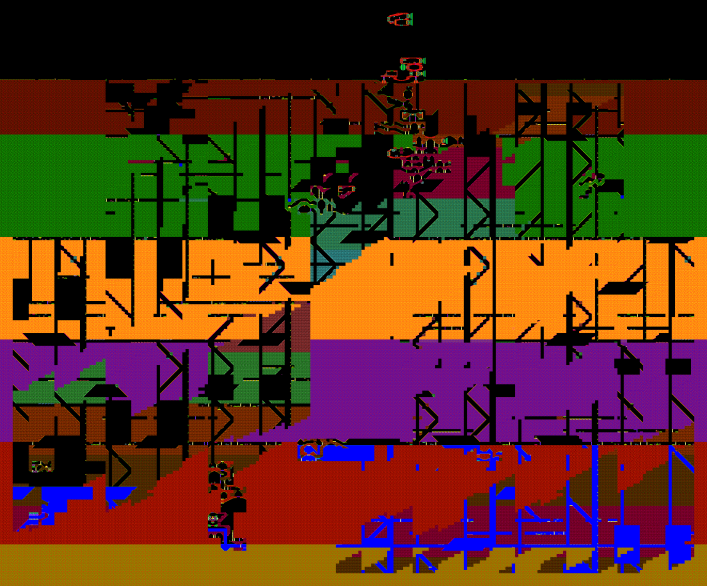
I found Jansson's map indescribably cool. Part of it was simple love of a good large convoluted map; the maps of Castlevania: Symphony of the Night or Super Metroid were somewhat similarly neat to look at. However, there was one element in particular that especially inspired me in Jansson's map: the massively deep Abyss near the center. As mentioned, I didn't read much of the text in the articles on Android Arts, but these tidbits relating to said structure probably inspired me further:
"The abyss is partly filled with water. Because of its depth it's really hard to explore it. [...] The ledges along its steep sides are littered with stuff that has tried to make its way to the bottom (subs and sacrifices). There's some exotic creatures deep in the abyss, and treasures of course. Maybe a depressed robot too."
"Imagine that you can dive into an abyss. As the player gets better suits, he can dive deeper. This is a much more natural puzzle than say a magical gauntlet which can break the special marked tiles you've been seeing scattered around the levels.
Most people are familiar with the concept of water pressure, and it would be exciting to push the suit to its limit, the blackness closing in around, the suit squeaking. These kinds of puzzles does not break the fourth wall like tiles with key holes on them risk doing."
Based on this, I started pondering on my own take on a similar game, following some of the ethos in Jansson's articles and gathering ideas that resonated with me, but keeping things at a complexity I thought I could handle, programming-wise. At this point in my game development hobby I was starting to move away from just wholesale copying ideas I saw and enjoyed, but I didn't worry much about directly utilizing ideas that seemed cool in Jansson's articles. On top of the map layout, I was inspired by e.g. the way Jansson described the game progression (although with robots substituted by natural fauna):
"The map layout allows free roaming, and there's no planned path. There are both robots and doors restricting the hero, but the robots can be defeated with a little skill, and sometimes there's ways around locked doors. The doors can also be blown up. The hero can level up by finding better weapons, energy pods and other gear. It will make it easier to get past some of the more deadly robots. Convenience and curiosity will lead the hero, not impregnable forcefields and scripted events."
I've no idea when, but eventually this project gained the title Below the Surface. I had a great time planning out the map, powerups and such on the backpages of my notebooks during class. The game was meant to feature elements inspired by Jansson's redesign document such as these:
- A nonlinear map with an initial intended progression and an intended endpoint, but no intended route in the middle parts
- Tiers of doors that you can gain access to or in (some cases) detonate with bombs
- The Abyss, of course
- Dark areas that you can either navigate through without light or find lamp powerups to make more manageable
- Fall damage, with the ability to increase how far you can fall without taking damage/dying
- A system where you always start at your ship, and saving happens by being able to store your progression and your location separately, with the saved location reachable via a teleporter on your ship. Both types of saving also cost money.
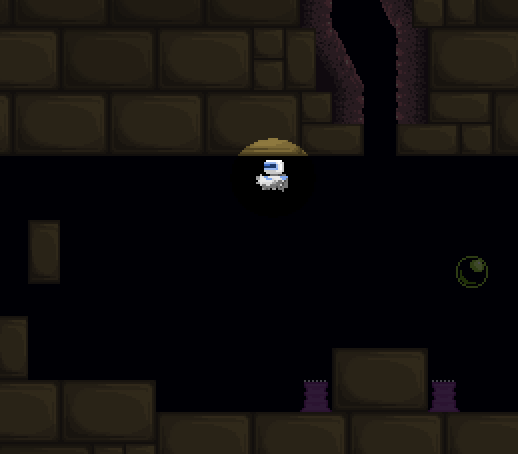
Screenshot showing a dark area
I think that last one was inspired by the original Exile - in it, you could store your position and then teleport to the stored location, which was required for solving some puzzles.
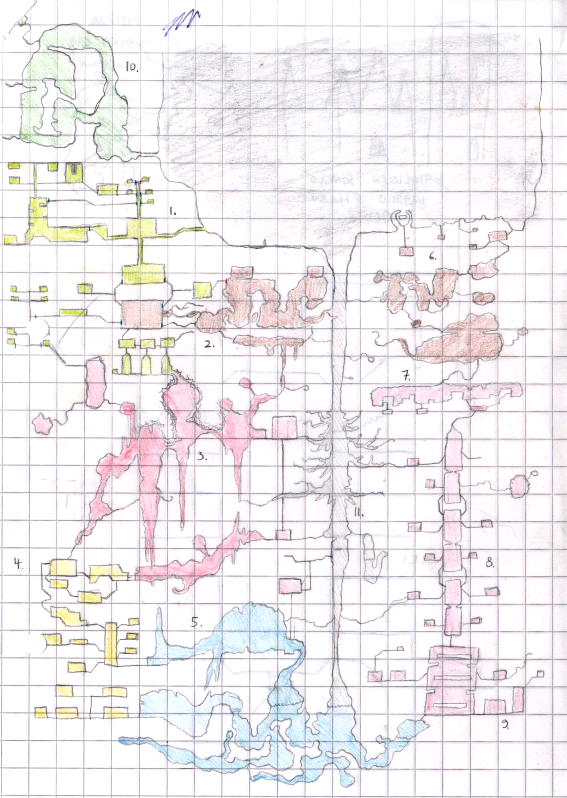
The main drawing of the world map. I seem to recall having fun doodling this during Swedish class
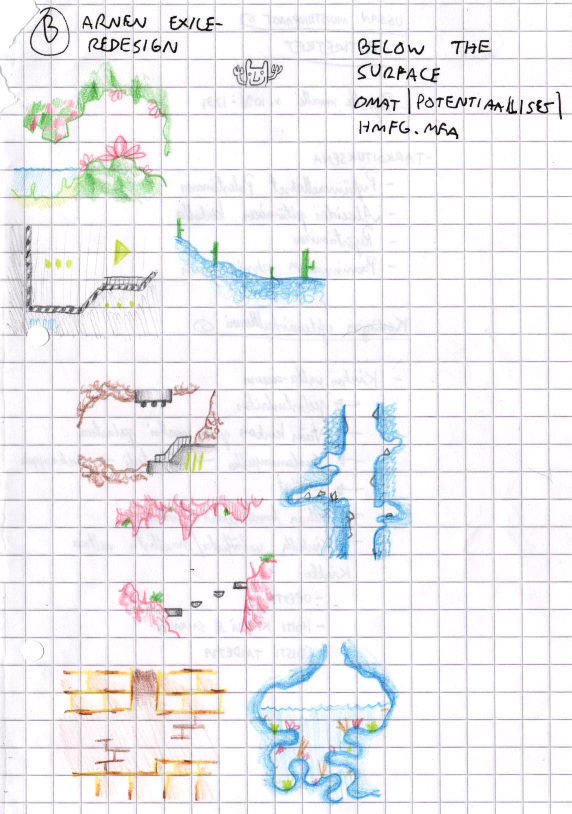
Some mockups that I don't remember making
On top of all this, a particular design lifted from Jansson's article was the concept of the Guardian. The idea was mildly similar to SA-X from Metroid Fusion - an adversary that occasionally appears to hunt you and that is initially well beyond your power level, requiring you to run away until you've amassed enough powerups to fight back. As Jansson describes it:
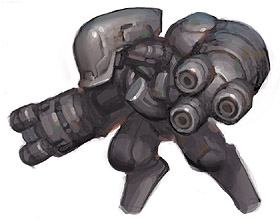
Guardian art by Niklas Jansson
"The guardian is a very nasty robot built by the ancient culture. To defeat it the player needs luck, planning, good equipment, and skills. During the end of the game it will roam the map, this will hopefully create a scary atmosphere. The guardian can warp, so doors and walls are no protection."
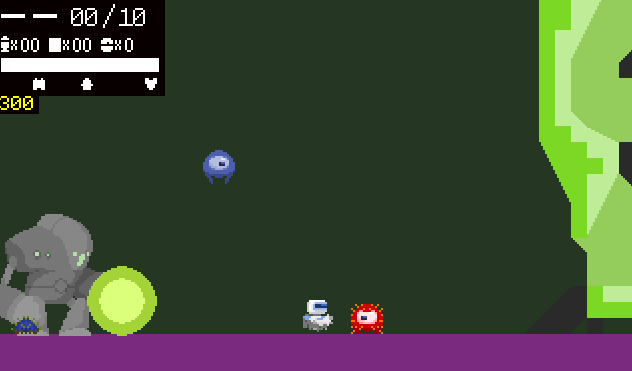
My take on the Guardian on the left
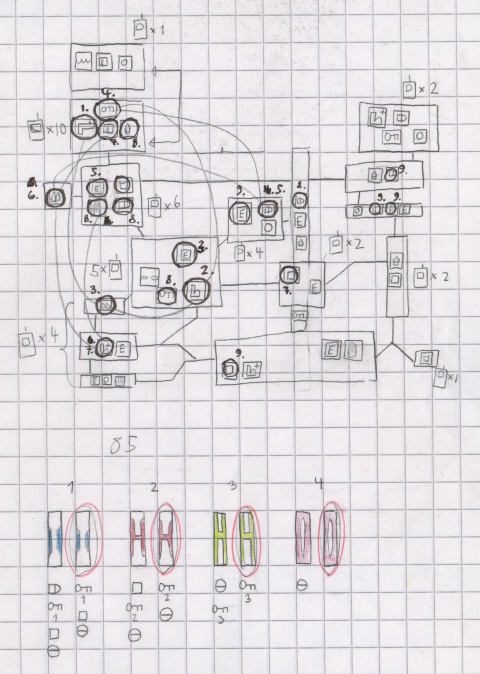
Powerup placements and planning for which weapons can force which door types open
Once I had built a basic engine and implemented most of the planned powerups, I got to work on structuring the game world based on my notes. My main interest was to create areas shaped less with gameplay and more with aesthetics in mind, and I don't think I really stopped to consider the flow of each section as I made them apart from some individual bits, such as the intro of the game where the player needs to activate some electric equipment.
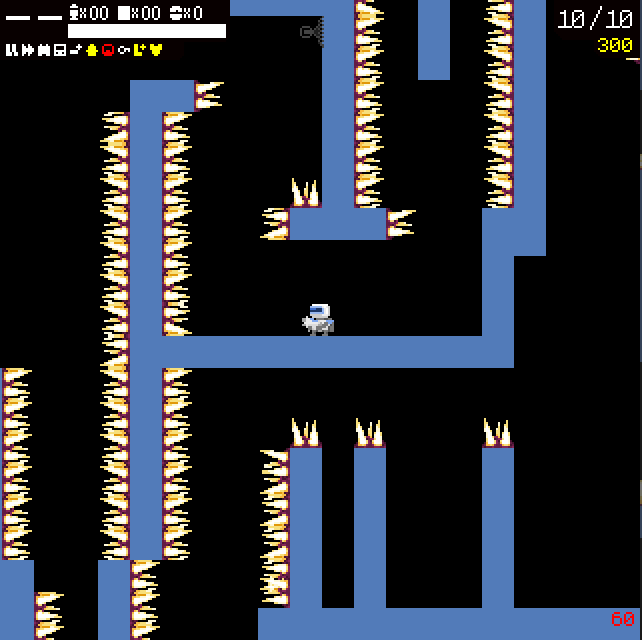
While doing this work, I used a placeholder tileset. I realized that the effort of actually spriting as many tiles as I thought I'd need would be gargantuan, so I requested outside help. At some point during development I opened up a devlog on the TIGsource forums, the community of which was dear to me at the time. Through the forums I managed to find a couple people interested in contributing tiles for Below the Surface, and on top of this a schoolmate of mine said that he could provide some. Thanks for all the contributions, sorry for never managing to finish the game!
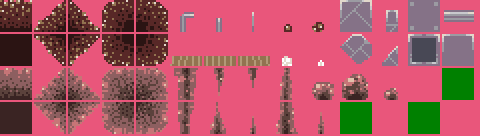
Tiles by a schoolmate
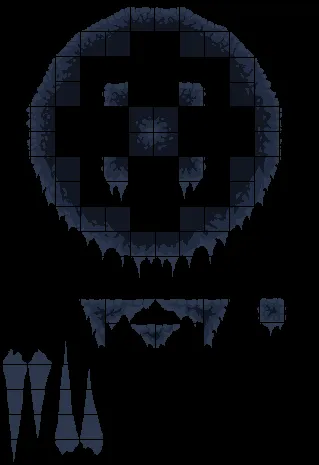
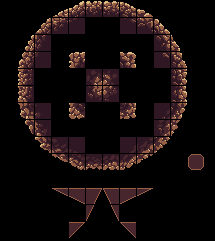
Tiles by TIGsource user Danrul
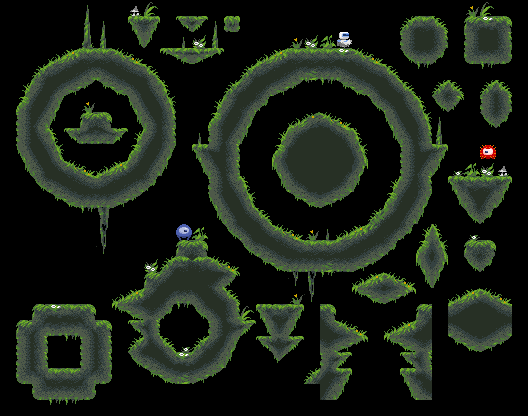
During this process I ran into a somewhat funny situation: user kingel also contributed tiles, but the quality of their pixel art was way too high compared to mine, and I had to request them to make a less-detailed version of their tileset:
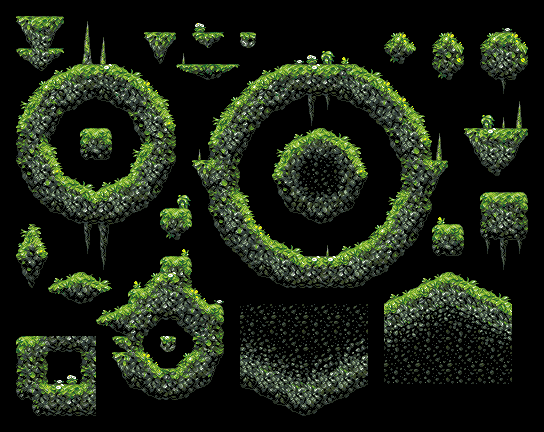
Original tileset by kingel
Simplified version by kingel
Once I had shaped the game map almost entirely, I started the slow process of replacing placeholder tiles with the tiles sprited by me or kindly provided by others. Since the entire game took place on a singular, massive map, I had to be fairly careful about how I implemented things in order to avoid slowdown, mainly via there being too many objects around.
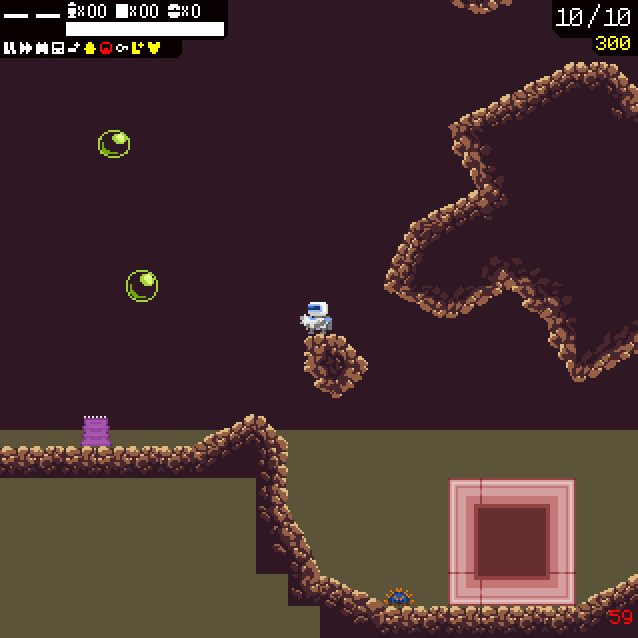
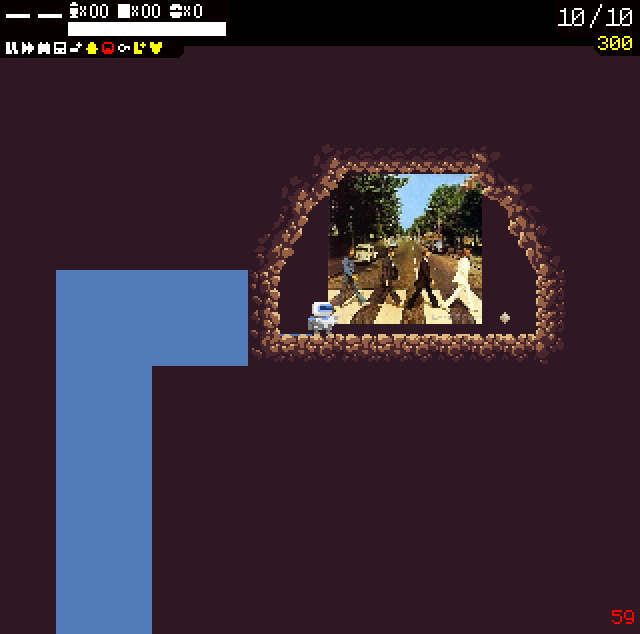
Possibly around this time I started realizing that the game wasn't exactly fun to play. A friend of mine playtested the final bossfight and wasn't impressed, and some other people tested other parts of the game with various points of criticism. A major one concerned the saving system - having to pay for saving made players less likely to do so, and making storing the player's position something that could be done at any time made it more likely that the player would remember to save when they were already in a position they couldn't recover from, such as falling into a pit of spikes. I still quite like the general shape of the idea behind this implementation, but over time understood that I was building a very frustrating game. One notable positive bit of feedback actually concerned the Abyss - a tester mentioned that it was cool that you could jump in there and if you managed to dodge ledges and the like on the way, you could safely land in the water at the bottom. To them it felt like a cool moment, and I get what they mean!
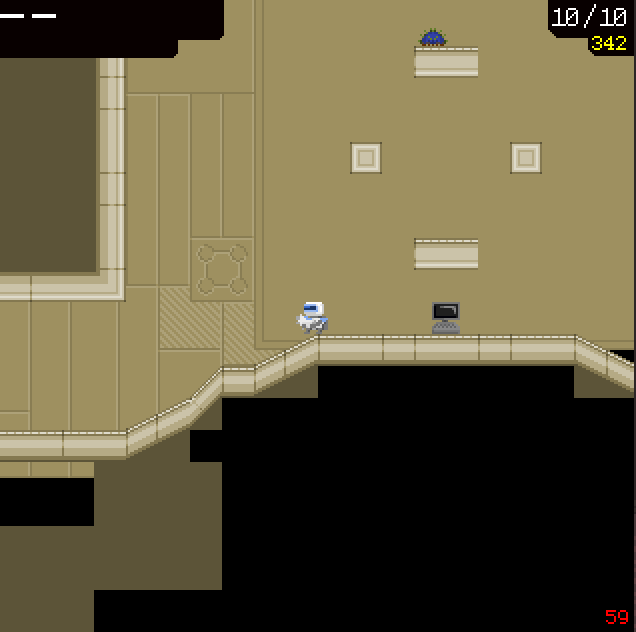
Another issue was the gameplay itself - I had crafted the world without really giving thought to how the player's abilities fit level design, and trying to salvage that and make traversal interesting while also avoiding populating the world with too many things for the engine to handle posed an increasingly large problem. Some of the movement also felt quite bad in practice; the player character moved quite slow horizontally, had overly strong gravity, and I had even made the horrible crime of implementing double-tap running!
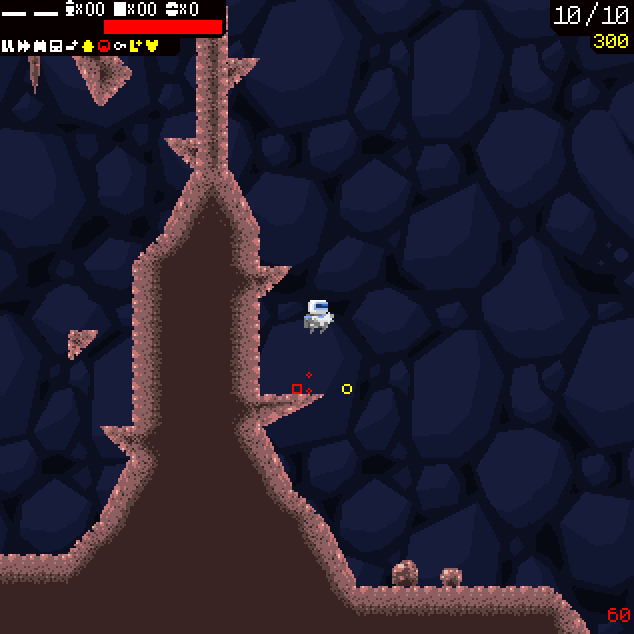
To top this all off, I started worrying about the emptiness & aimlessness of the game world. Since I had built the map with nonlinearity and aesthetics in mind, a lot of the areas, especially ones connecting others, felt quite "pointless" in that there wasn't much reason to actually go through them, apart from maybe some noncritical powerups. In a way this fit with Jansson's design ethos; he was actively opposed to the idea of every area serving a gameplay purpose:
"[...] The player should be responsible for his own actions, and is allowed to lose important items, or get stuck in a dead end. Just like in real life, there are useless objects and pointless locations. If the player runs into a dead end, it's a dead end, not 'there's a hidden item here' or 'come back later with the super bomb'."
However, I wasn't interested in following this line of thought. I tried to alleviate this a bit with some design changes (and for some reason added a bunch of hidden rooms with random posters in them??) but over time this, combined with the other issues, eroded my desire to keep working on the game.
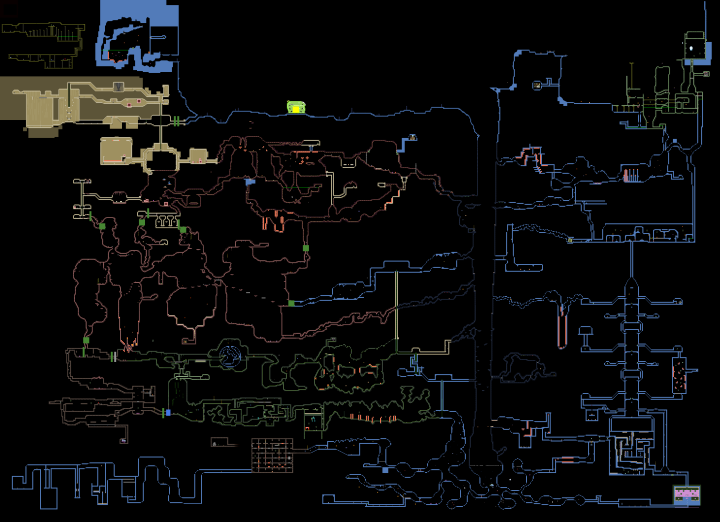
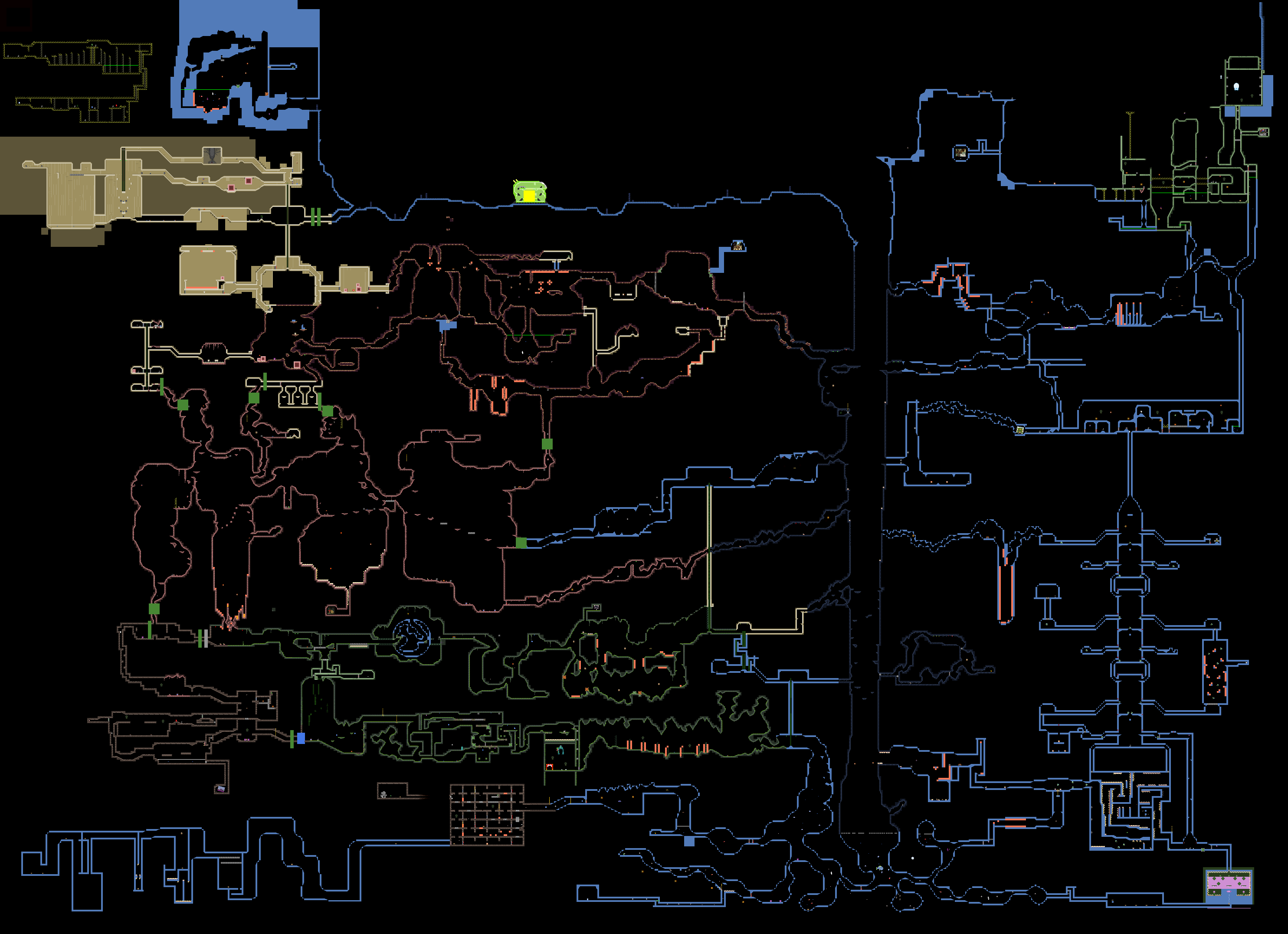
Long story long, I abandoned the game. At this point I can't remember how long I spent on it, but I wouldn't be surprised if the whole process of starting and quitting the project happened within 2009. I still think of the game very fondly, but despite how relatively far I got with it, I've never felt the desire to try to polish it up for release - the issues were just too numerous. By the time I quit working on the game, the map looked like this (and I still enjoy looking at it!) (larger version):
I still felt (and feel) excited about some of the ideas and inspirations that led to Below the Surface. When starting work on Environmental Station Alpha 2 in 2016, I initially intended to base the world map on the one used in BtS, and in that first draft of ESA2, the progression was meant to be much more free-form and Exile-like than what I eventually settled on. And even before that, I revisited this whole Exile inspiration in another unfinished game, about which I might write an article later.
There was no particular reason for me to write this article; I just realized that there's a throughline in my metroidvania works from Below the Surface to much later projects, and since BtS won't see the light of day, I thought it might be of interest to others to hear about it. Here are some links that could also be interesting:
You can read the Exile redesign document here
You can read Jansson's Exile writeup here
Exile tribute page on the Acorn Arcade website
Page discussing the technical achievements of Exile on the Acorn Arcade website
Read the second part here
7  6
6  1
1
Tags: Article, Other, Games, Art, ESA, ESA 2, Old games
Monthly update: August 2026
Posted on 2026-08-19 16:19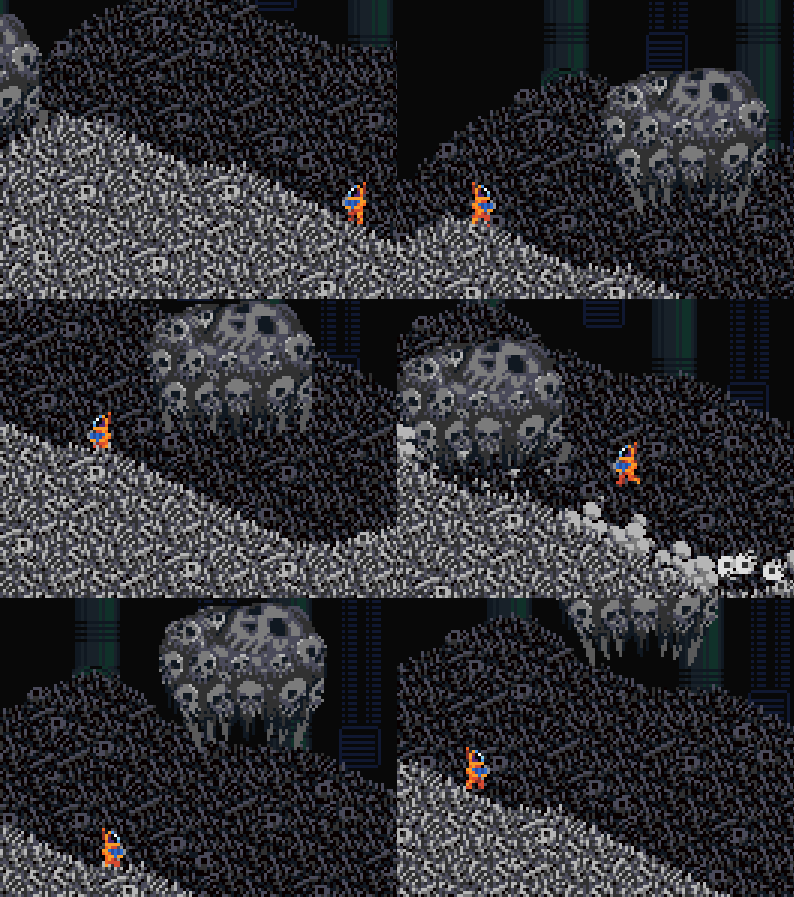
This month has been... mostly uneventful. The above gif is from earlier, and both ESA2 and Planet Keke have been progressing quite slowly. However, part of the reason for this is that I've had a lot of social life, including inviting some gamedev friends to Finland for a ~week or so. That was a great time! As such I can't feel all that bad about the lack of productivity (although I still do, a bit).
However, there's been one big new thing going on (ok, actually this happened on July 31st, but please ignore that)! Baba Is You: The Boardgame, designed by Peter C. Hayward and published by Bitewing Games, was revealed, with the Kickstarter campaign for it going live on September 15th. My contribution to the project has been mostly visual - I did most of the 2D art for the components. It's been cooking for a while, so it's nice to see things going public.
I've been feeling a bunch of existential anxiety lately, on top of being unhappy with the continued existence of Planet Keke & ESA2 as projects I need to work on, but this is nothing new and for the latter problem the obvious answer to just keep at it. Hopefully I can be a bit more productive for the rest of the year.
6  2
2
Tags: ESA 2, Other, Baba Is You, Planet Keke, Regular updates
Monthly update: Junly 2026
Posted on 2026-07-22 16:26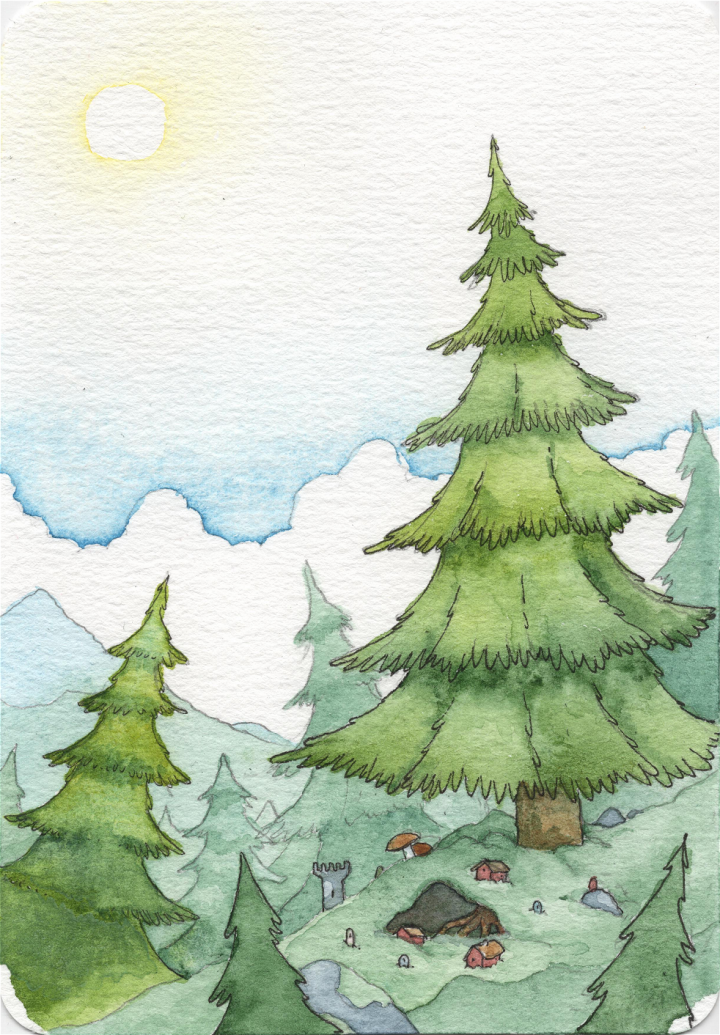
Nothing much happened in June so this post is mostly about July events. First of all, I've managed to paint two new watercolour pieces! The second one's here, the first one is in the blogpost prior to this one. It's been nice to paint again, should keep doing that.

Another neat thing is that I made yet another Covemountlike, this time titled Telemount! You can play it here.
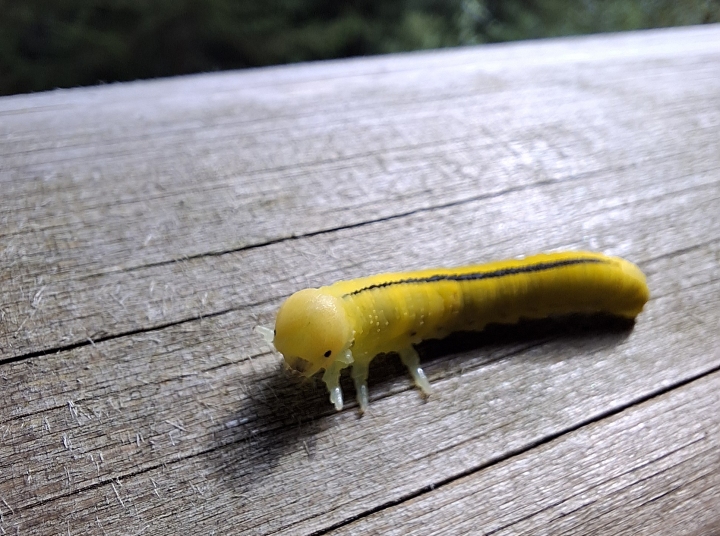
What else? I've spent a lot of time at the summer cottage and with friends and worked on ESA2 and Planet Keke, but those will still take their time. I also saw this grub earlier today:
 12
12  10
10  7
7
Tags: Other, Games, Browser games, Small games, Covemountlikes, Art, Regular updates
New painting!
Posted on 2026-07-10 23:08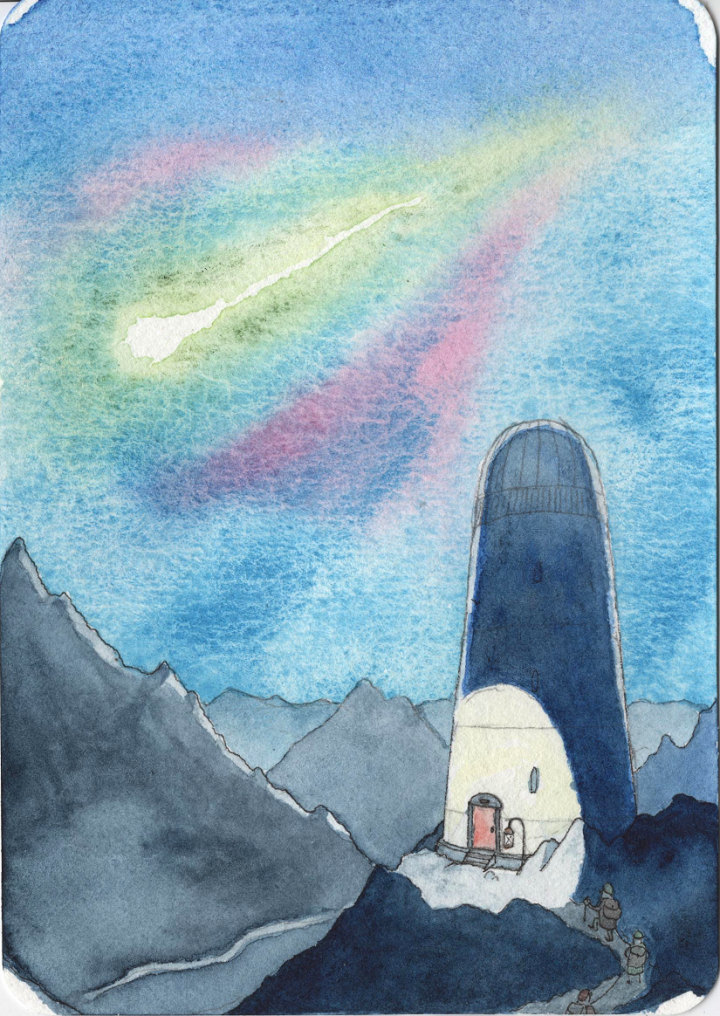
Managed to paint after a long while of barely doing any of that; this is the first full piece I've done since 2023, and the first one since 2019 if we discount the jokey Baba paintings I did on stream 3 years ago.
This piece is heavily based on an illustration in Tove Jansson's book Comet in Moominland.
11
Tags: Art
Monthly update: May 2026
Posted on 2026-06-03 16:55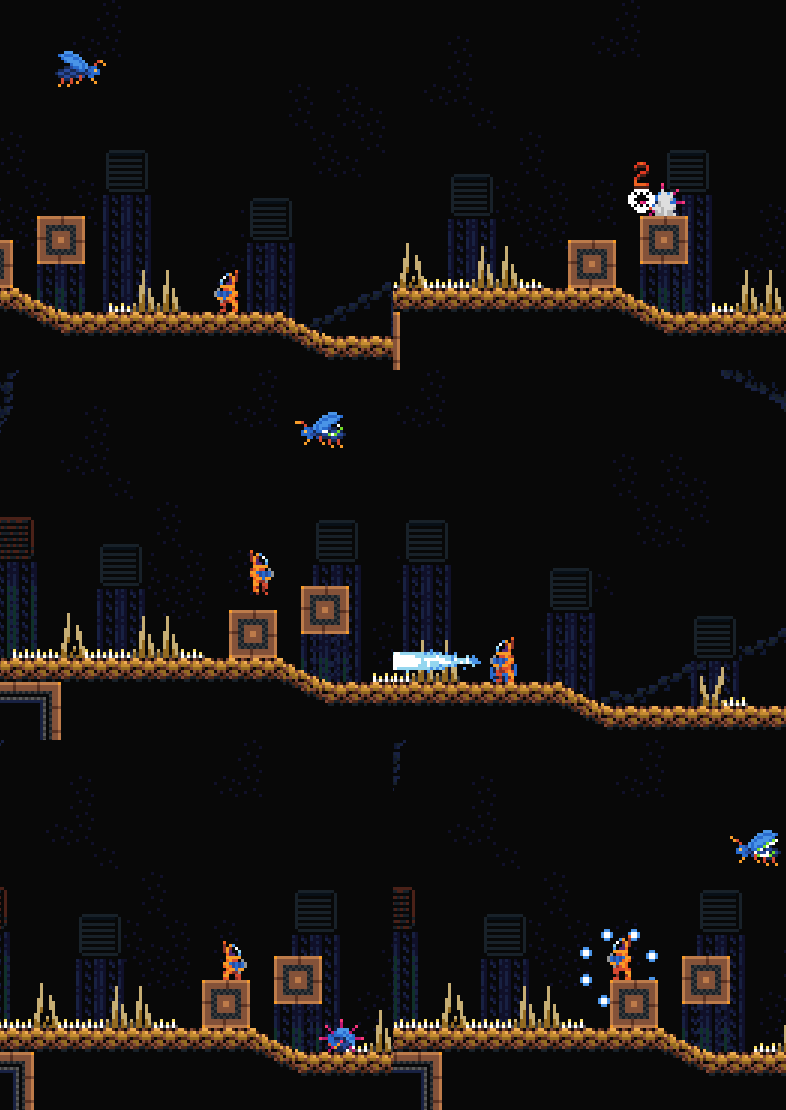
May happened. Not much happened during May. I was very active in terms of social life and other such things, as well as certain work-related things I can't talk about in more detail, but as far as public-facing creative work goes, I didn't get almost anything done. My devstreams have been on hold since Nordic Game Jam and as such work on both Planet Keke & ESA2 has been effectively frozen in the meantime. I'm hoping to be able to change this soon, though!!!
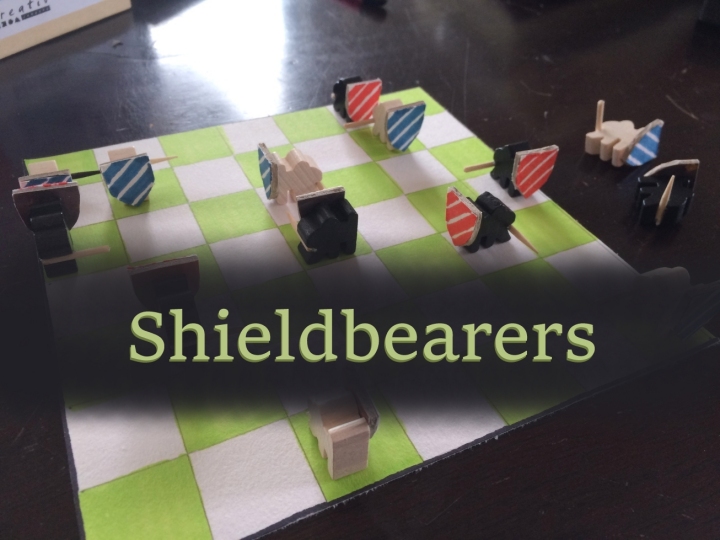
There was one ray of light in this cloud of unproductivity, though - I managed to finish another little 2-player boardgame, Shieldbearers! It was a lot of fun to craft the little pieces for this, although the result doesn't look very professional at all. You can check out the game here.
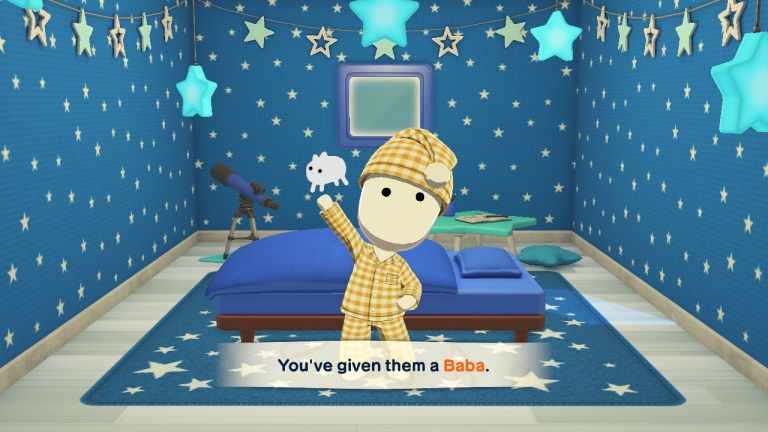
In completely unrelated news, I've been very heavily into Tomodachi Life: Living the Dream lately. It makes for a good thing to play in short sessions.
10
Tags: Regular updates, Boardgames, Pets, Other
Monthly update: April 2026
Posted on 2026-05-01 13:37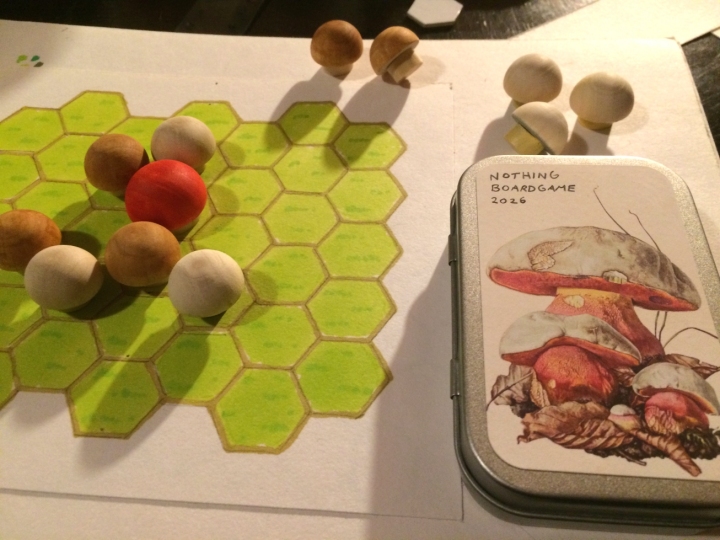
Another month gone by, it's weird how that happens. Happy May Day! April was fairly uneventful for me, with Nordic Game Jam being the biggest highlight games-wise. Lately I've struggled with keeping up with my streams, partially due to out-of-stream work requiring my attention.
In the case of NGJ it initially seemed like I wouldn't manage to finish anything - the theme of the jam was 'Nothing' and this didn't inspire me particularly much & the ideas I had beforehand that I could've tweaked to fit the theme also didn't work out. However, I had brought some boardgame components with me and on Sunday tested some simple rulesets, eventually bumping into something that seemed vaguely passable. After writing up a rules document I got to test the game with some actual players and the game proved to be surprisingly promising!
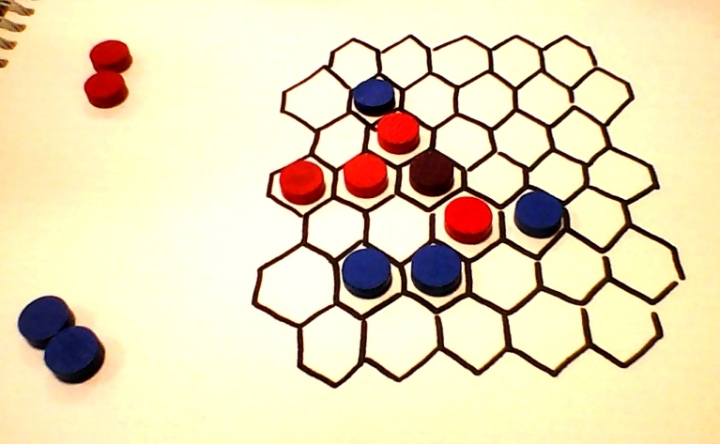
After returning home I spent some time crafting a mushroom-themed playset for this new game, prompting me to ultimately change the name to Shroompatch! You can check it out on Itch.io here.
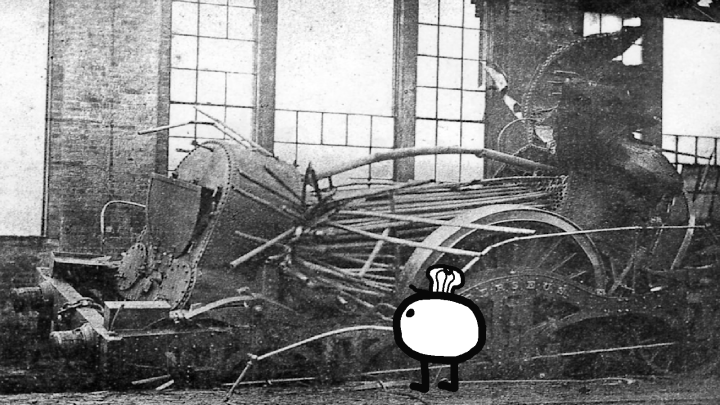
I also managed to implement a new covemountlike on the evening of arriving in Copenhagen - Railmount! The controls are pretty clunky but overall I'm happy with the game, and some people have even said that it's their favourite of the bunch! You can play it on Itch.io.
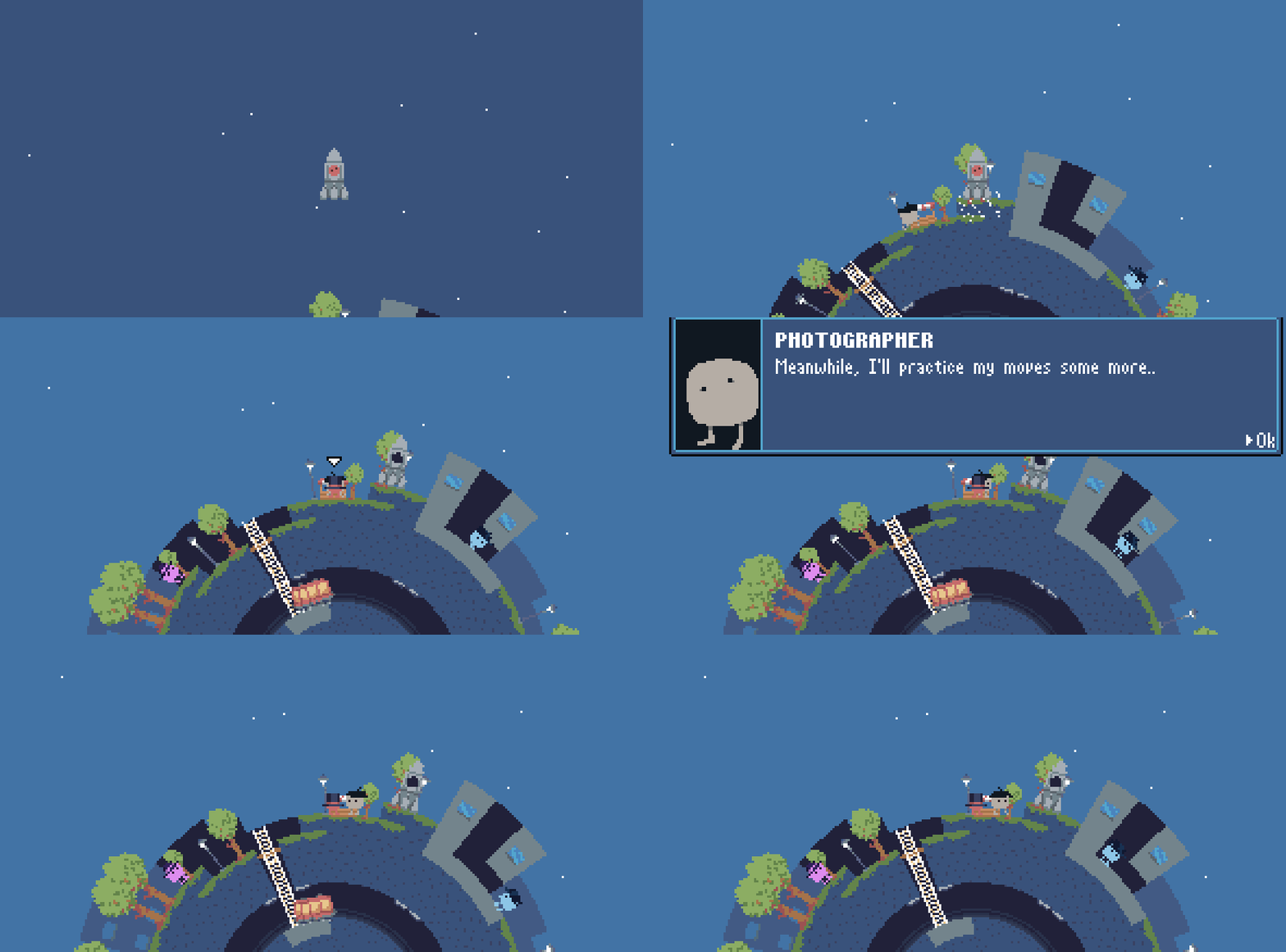
I managed to get Planet Keke's first test build out, as planned, but it was fairly buggy in some significant ways and I've since failed to work on it more, so that process has been a but bumpy. I'll get back to it soon, I'm sure.
I also managed to patch A Solitaire Mystery - the game had some rather unfortunate bugs that had been around for way too long.
Ludum Dare also came and went with the theme 'Signal', but I was at the summer cottage at the time and thus couldn't muster the energy to try to make anything.
1 2
Tags: Games, NGJ, Covemountlikes, Planet Keke, Ludum Dare, Boardgames, Small games, Solitaire Mystery
Elastic link
Posted on 2026-04-03 20:32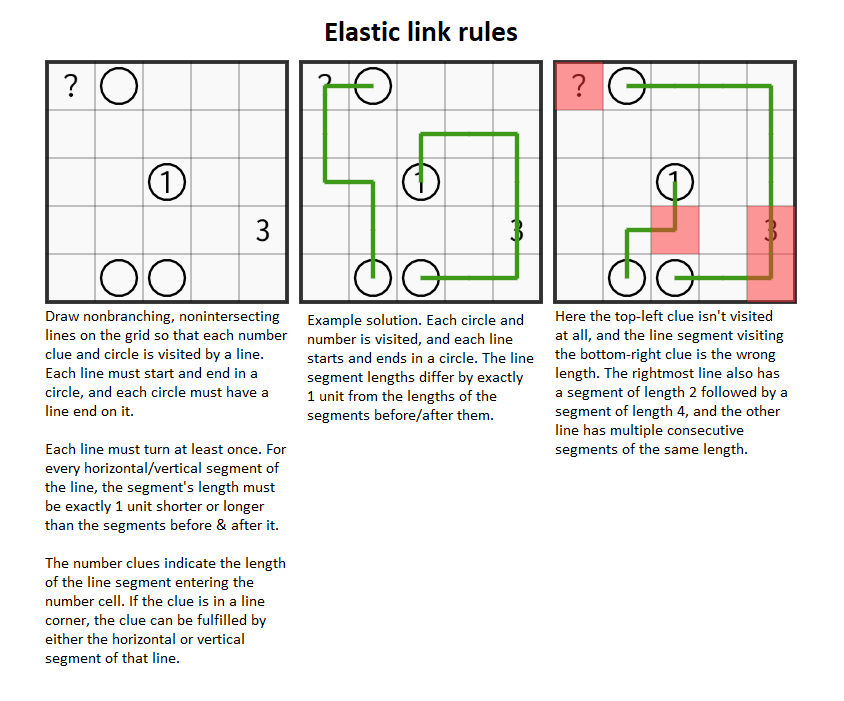
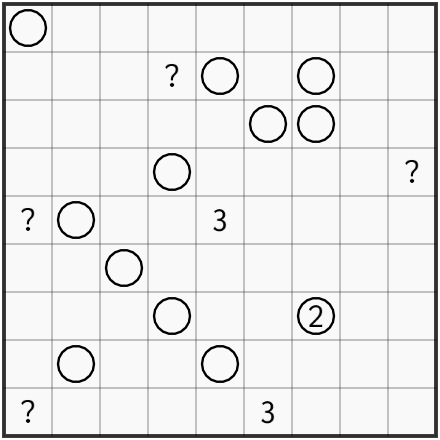
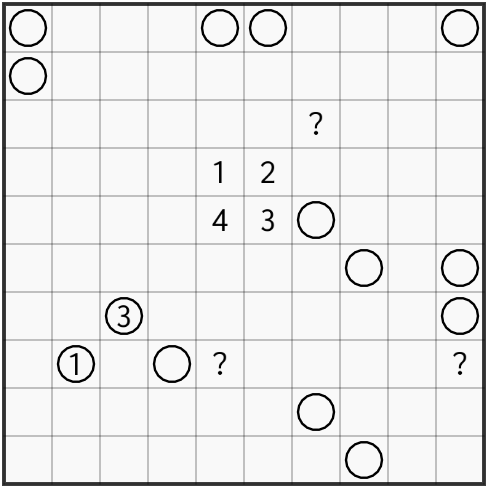
It's once again been a while since I last posted a paper puzzle type. I'm a tad uncertain about Elastic link, at least in the sense that there might've been potential for a more interesting ruleset here, but the puzzles seemed to work fine so here we are. The concept is built on the concept of lines with constrained segment lengths as expressed in the second paragraph of the rules, but it was pointed out to me that the final ruleset resembles that of Herugolf.
And here come the puzzles:
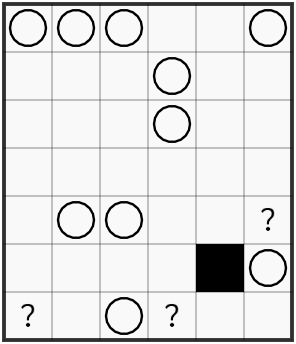
The dark square should be counted as a wall; no lines can be drawn on it.
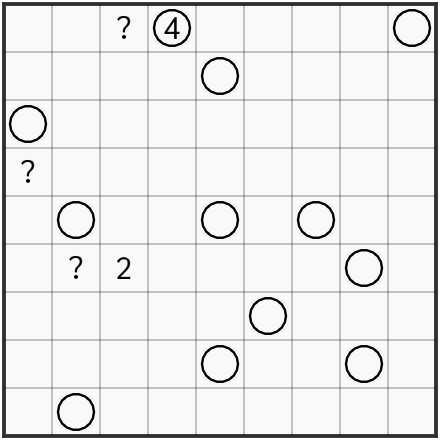
10 10 10
Tags: Paper puzzles
Monthly update: Marchbruary 2026
Posted on 2026-03-14 04:42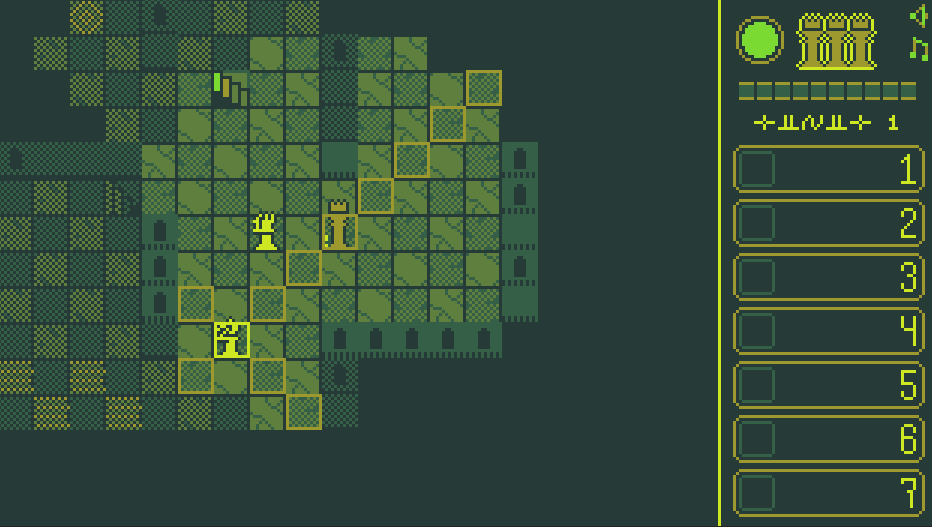
Not too much happened in February, so it makes sense to combine these two months even outside of timing.
I participated in the 7-Day Roguelike Challenge, and made the above game, titled █ █ ▄ █, for it. It's a chess-themed roguelike and I'm pretty happy with the result, especially now that I've refined it a bunch with post-jam updates. As the name kind of implies, it's a fairly cryptic (although ultimately also fairly minimalistic) deal.
Check it out on Itch.io!
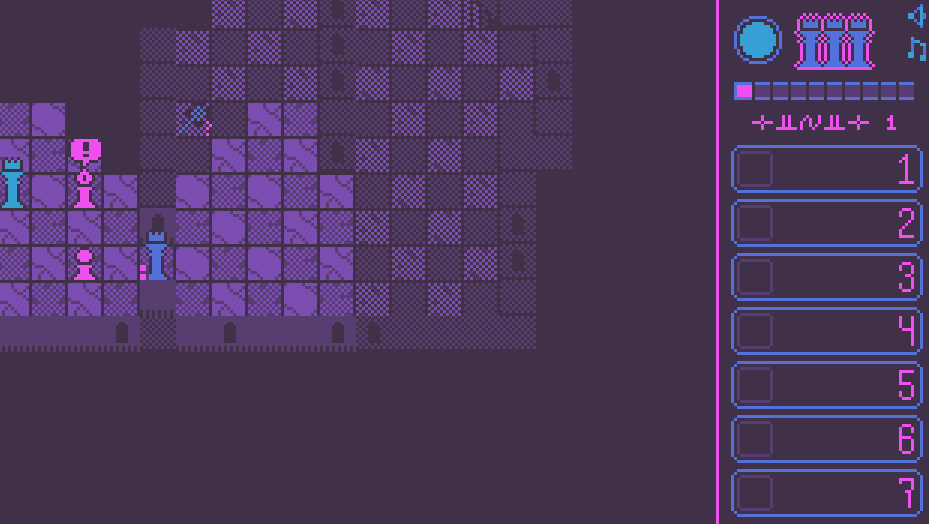
What else, what else... Planet Keke has progressed at a very nice pace, and I decided to concentrate more heavily on it later this year to finally get the game done. I'm currently working through a to-do list of things I need to implement/fix/polish to be able to release the first test build for the game, so that's neat.
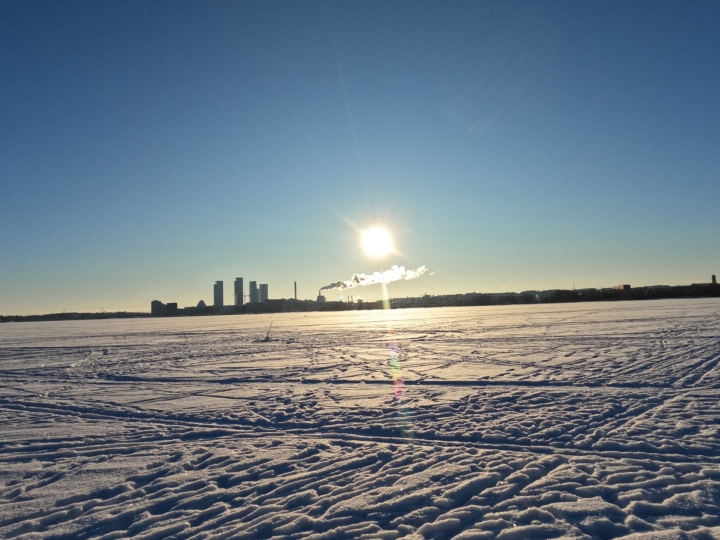
We had a very nice wintery weather for about 2 months, and I had a lot of fun walking on the ice of the nearby bay during that. Approximately 2 weeks ago the temperatures increased quite drastically, and now there's clearly spring in the air. In the current climate conditions I'm happy if I can get even 2 months of proper freezing temperatures.
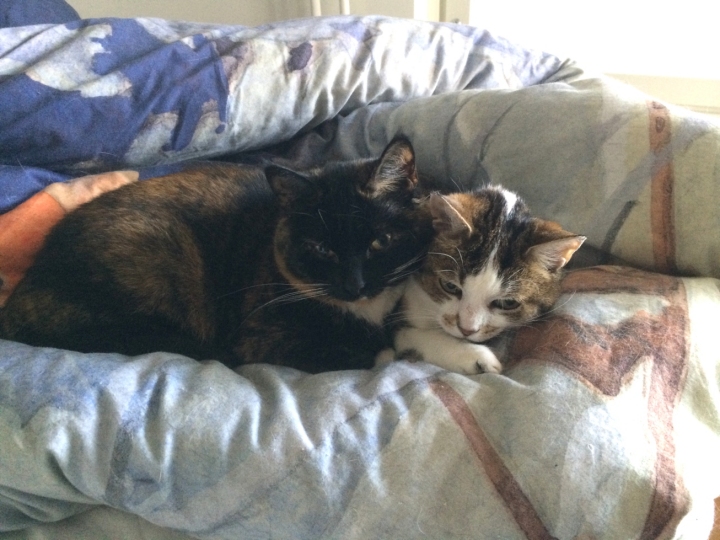
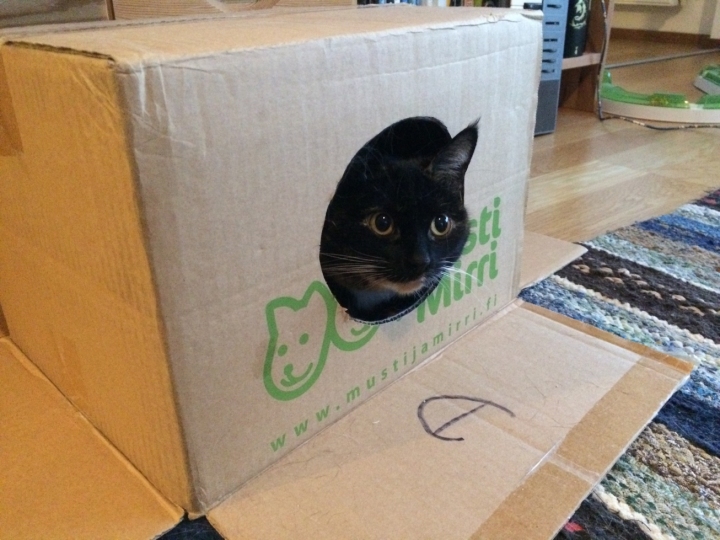
The cats are doing fine, and Fondue slowly, slowly progresses on her journey towards self-confidence - I've now witnessed several instances of her being the instigator for a play-fight, batting at Vilma's butt or doing a little chase. That's great!
13 2
Tags: Pets, Games, Planet Keke, Other jams, Other, Small games, Regular updates
Monthly update: January 2026
Posted on 2026-02-02 20:10
First things first: I noticed that a watercolour piece I'm very happy with, Deep pond, was missing from the gallery, and added it in there:
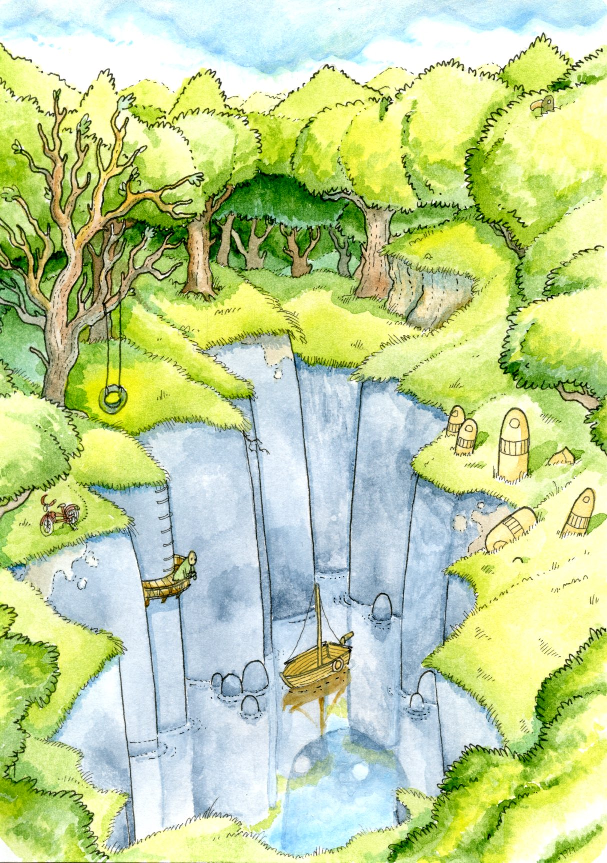
January was a very quiet month. I had a good bit of minor anxiety here and there, and in general didn't really get the ball rolling on personal projects (aside from covemountlikes) until towards the end of the month; this includes my bi-weekly streams.
I'm currently once again in the frustrating mindset of having a ton of things that I'd hypothetically want to make, but having lowish motivation for any of them while also trying to avoid starting too many simultaneous projects to avoid getting in a situation where I tinker with so many separate things that nothing gets done. Thanks to the streams starting I've gotten some work done on both Planet Keke & ESA2, but I think I want to put more pressure on myself to work on the former to try to get it out of the door as soon as possible, slightly similarly to what I did with Mobile Suit Baba towards the end of 2023.
In other news, Baba Is You received a largeish bugfix/polish patch at the start of this year. The update also added some new objects for levelmakers to play with, and even some entirely new rulewords! No new levels, though. There'll need to be some additional patches to fix up things in the new patch, but I'd like to consider this the last larger patch to the game.

Oh! There're also 2 new covemountlikes - Photomount & COVEMEVOC:

Play Photomount on Itch.io

Play COVEMEVOC on Itch.io
7
Tags: Regular updates, Games, Baba Is You, ESA 2, Planet Keke, Art
Pages
First Previous 1 2 3 4 5 6 7 8 9 10 11 12 13 14 15 16 17 18 19 20 21 22 23 24 25 26 27 28 29 30 31 32 33 34 35 36 37 38 39 40 41 42 43 44 45 46 47 48 49 50 51 52 53 54 55 56 57 58 59 60 61 62 63 64 65 66 67 68 Next Last